



Profound has built a manifesto, a course, a job board and a podcast around the marketing engineer. The title will become a real job only when people with nothing to sell start paying for it.
Make State of Brand one of your go-to sources on Google

Latest News

Growth & Strategy
Profound has built a manifesto, a course, a job board and a podcast around the marketing engineer. The title will become a real job only when people with nothing to sell start paying for it.
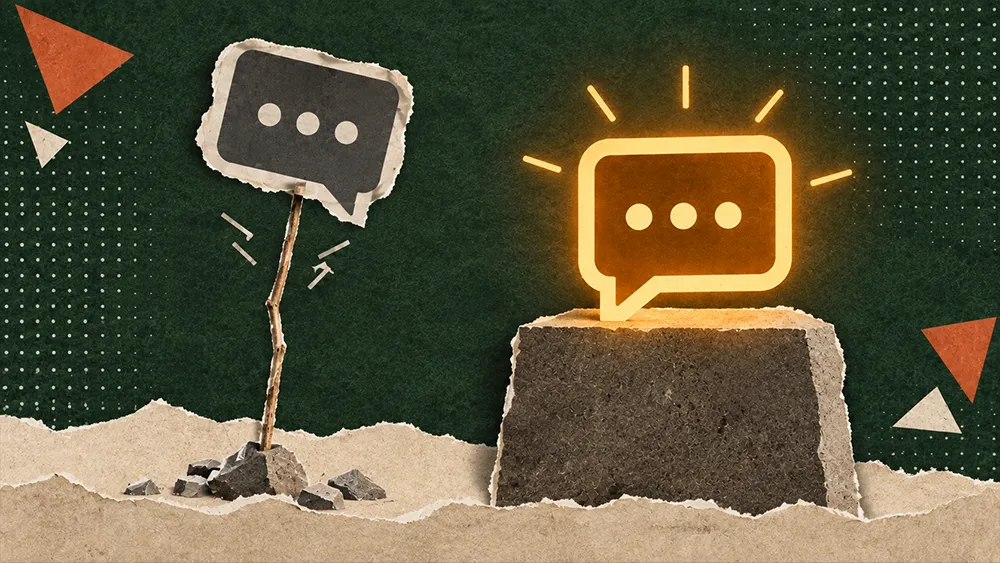
AI made average content free, so a sourced opinion is the last scarce asset in marketing.
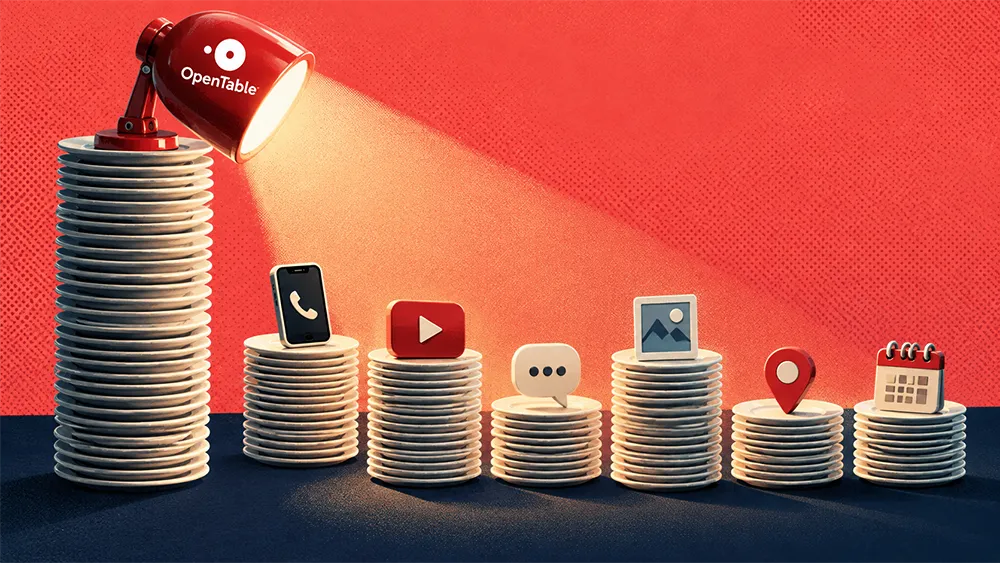
OpenTable CGO Robin Chiang on how the platform stays authentic by amplifying the restaurants and creators diners trust.

The company that taught machines to write your emails is hiring a Global Head of Events to bring people together in person. It says a lot about what gets more valuable as everything else gets automated.
PR still lands mentions, but the brands keeping their audiences in 2026 are the ones publishing their own.

Marketers say ChatGPT ads lift their organic traffic, and OpenAI says ads can't touch its answers. Nobody outside OpenAI can check which is right, and that may shape AI search more than the ads.
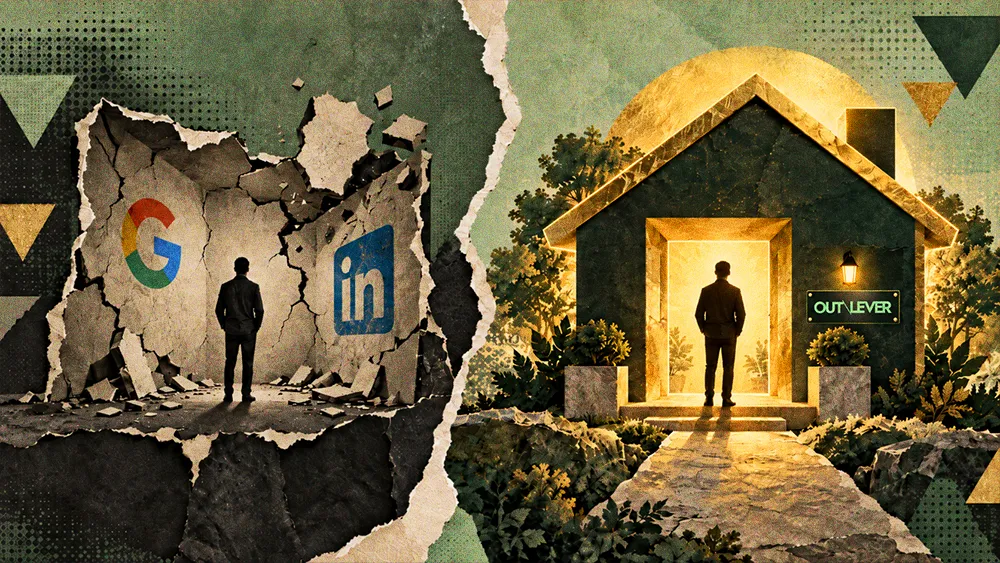
Google and LinkedIn send B2B companies less traffic every year. Owned media is how more brands are building audiences they don't have to rent. This guide covers what it is, how it works, and how to get started.

A real shift is underway in go-to-market strategy. Companies are moving from renting attention to owning it, and the early numbers suggest this isn't a fringe experiment. It may be the next default.

PR vs. Owned Media: Which One Is Still Working in 2026
Marketing Keeps Inventing Engineers. Is Any of It Real?
AI Can Now Copy Everything Except Your Data and Your Opinion
As Discovery Fragments, OpenTable Wins Attention By Putting Someone Else In The Spotlight
OpenAI Is Betting on In-Person, Which Tells You Something About AI

If this caught your attention, that’s not accidental.

The best editorial systems don’t happen by accident. Outlever builds them.


AI & Technology
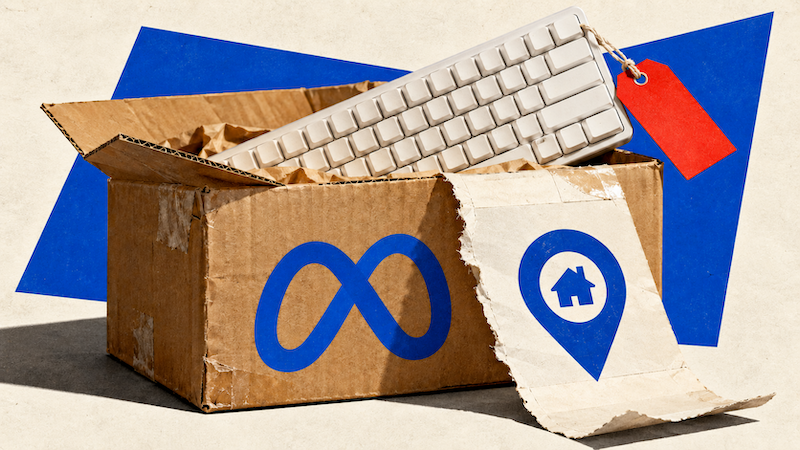
Meta's Muse haggled away a used keyboard, sent a stranger to a seller's building and told the buyer "Yep I'm here!" while the seller was out. On Monday morning, Meta started selling the same technology to companies.

Clay coined the GTM engineer. Profound calls the same person a marketing engineer. The naming fight decides whose product the role gets built around.

Everyone bought the same capabilities from the same vendors on the advice of the same firms. Now the only thing left to compete on is scale.

In every FTC AI enforcement action this year the deceived buyer was a business, and the firms that supplied the marketing materials were charged too.
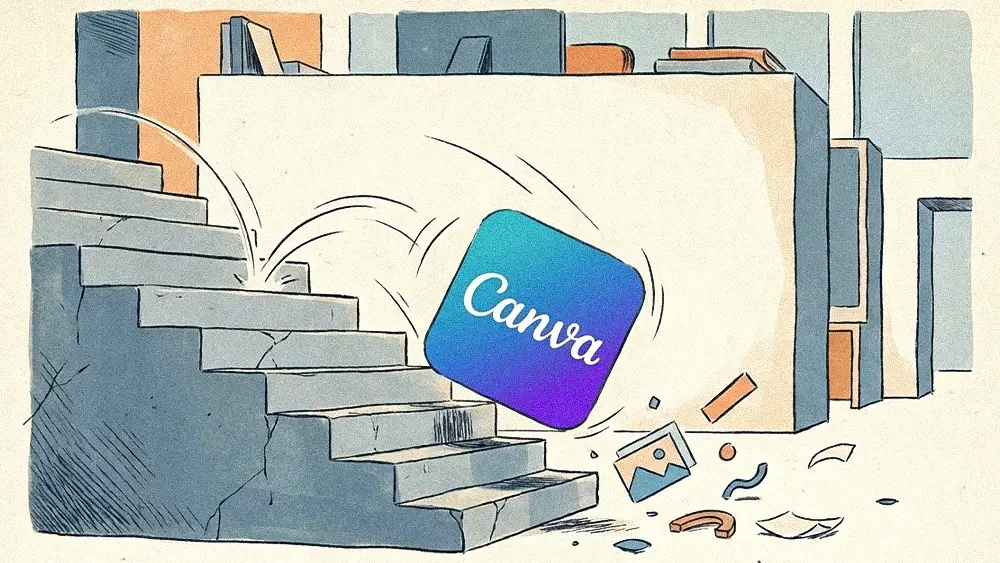
Canva's brand did nothing wrong and still watched more than eleven billion dollars come off the mark in a week. The lesson is about what kind of love it was holding.
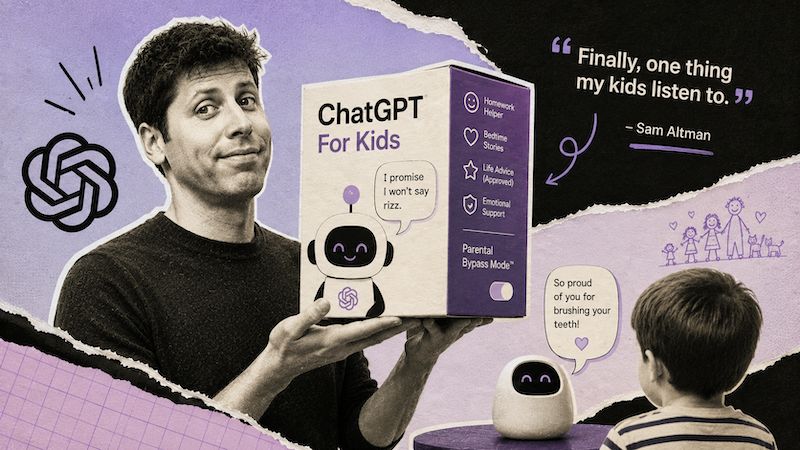
Altman pitched an AI podcast for the drive to school. An eight-word reply beat him 13 to 1, and it exposed a positioning problem the whole industry shares.

More than 200 economists and 16 Nobel laureates just warned that AI could reshape the economy faster than institutions can respond. The reputational bill lands on brands first.

Data platforms are swallowing the CDP. The tools that actually reach customers just became the most important part of the stack.
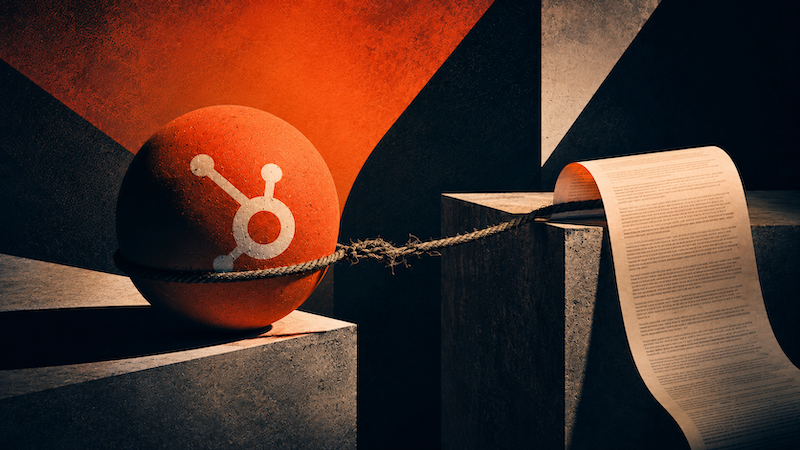
Today HubSpot published a post to its community titled "We Got This Wrong. And We Are Fixing It." The company says it will not move forward with the terms of service changes it communicated on July 1.
Canva's brand did nothing wrong and still watched more than eleven billion dollars come off the mark in a week. The lesson is about what kind of love it was holding.
Brand & Creative
Tech layoffs in 2026 have already passed last year's total. More professionals are responding by writing in public, building owned audiences that don't disappear with their work login.

Two months after Andreessen Horowitz doubled down on its New Media team, the firm is recruiting producers, creative directors, editors and scriptwriters in Los Angeles, and pitching them with a film screening.

Advertisers remain wary of AI-made ads, even as the output improves. A look at the trust gap, and at Waymark's new premium tier built from brands' own photos and footage.
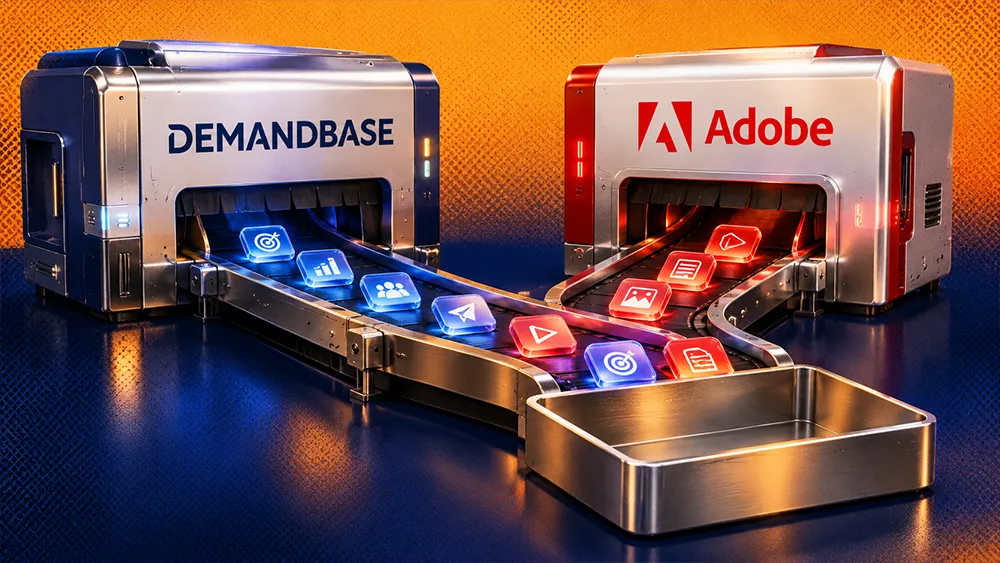
Demandbase, Adobe and Multiply are handing B2B campaigns to AI agents. Few teams have decided who approves the work, or how their brand stays distinct.
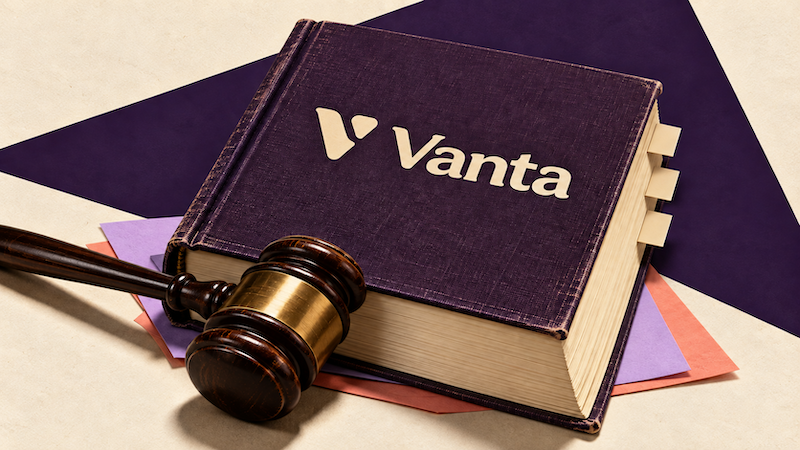
Vanta's AI writing policy came from its general counsel, not marketing, and it signals where every company's rules for AI writing are headed next.

Read daily by leaders at the biggest enterprises























































































































































Make State of Brand one of your go-to sources on Google
Most Popular
If this caught your attention, that’s not accidental.


Frequently Asked Questions
What is State of Brand?
Who do you interview, and why was I invited?
Who publishes State of Brand?
Does it cost anything to be interviewed or featured?
What should I expect if I agree to an interview?
Where will my interview appear, and who will see it?

