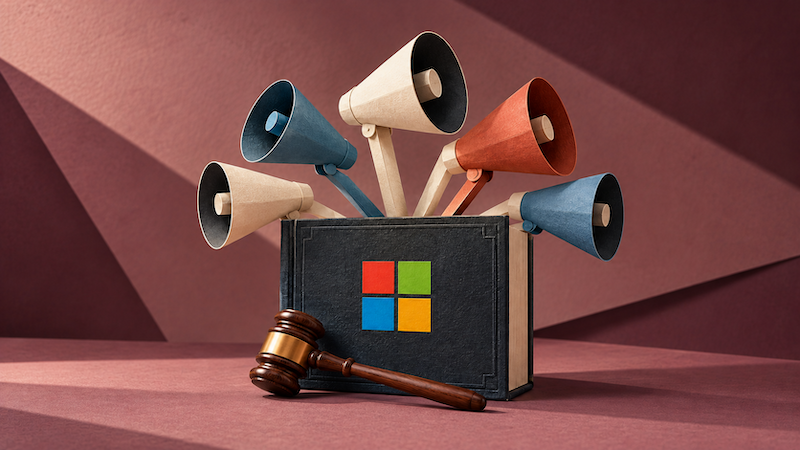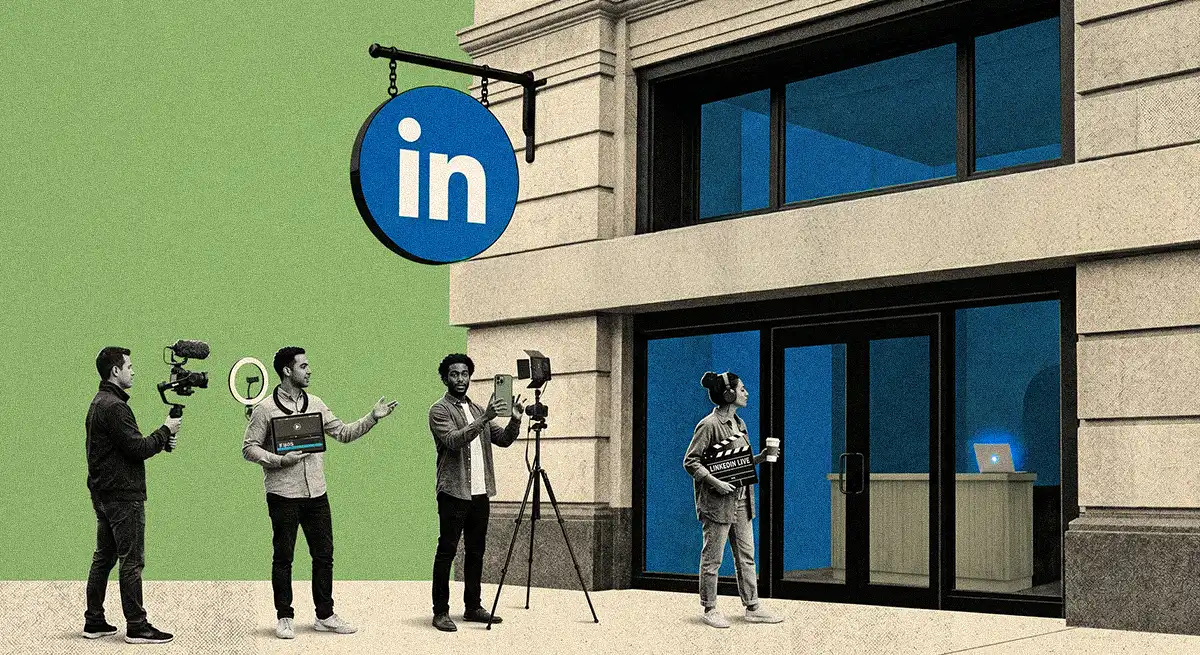
LinkedIn announced its Creator Marketplace on June 10, and the timing says as much as the product does. TikTok built its version in 2019. YouTube launched BrandConnect in 2020. Instagram opened its marketplace on an invite basis in 2022 and took it global two years later. By the standards of the creator economy, LinkedIn is showing up half a decade late to a party everyone else has already left.
We don't think that's an accident, and we also don't think it's a problem. LinkedIn was never going to win the consumer creator game, and it has spent the last two years building toward a different one. BrandLink revenue sharing, Thought Leader Ads, Top Voices 360, paid Advice Sessions, course royalties through LinkedIn Learning. The marketplace is the front door that finally connects all of it. What LinkedIn is selling isn't reach. It's credibility, in the one category where credibility still commands a premium: B2B.
What's actually in the box
Sam Corrao Clanon, who leads creator product at LinkedIn, laid out the model in his announcement post: the marketplace "helps creators become more discoverable to brands" looking for credible voices, covering everything from Thought Leader Ads to speaking gigs to branded partnerships. His own summary of the flow is about as candid as platform announcements get. You get the invite, you opt in, brands find you, and the magic happens from there.
The mechanics are simple to the point of being spare. The marketplace is invite only at launch. Eligibility rests on expertise, content quality, presence on the platform, and how closely a creator's subject matter lines up with what advertisers are actually buying. Invited creators opt in through a new Monetization tab, and once they do, select information about them, including a preferred contact email, becomes visible to brands inside Campaign Manager.
Then LinkedIn steps out of the way. Brands reach out directly. Terms, fees, and payment all get worked out between the two parties, off platform. There is no campaign brief system, no in-app contracting, no transaction layer at all.
Compare that to TikTok, which built a full-stack operation with audience analytics, briefs creators can apply to, and payments handled inside the platform. Or Instagram, which gave creators a dedicated brand inbox and opened API access to management platforms like CreatorIQ. Next to those, LinkedIn's marketplace looks less like a marketplace and more like a verified directory with a contact button.
Why thin might be the right call
The instinct is to read that thinness as a gap. We'd read it as a thesis.
Consumer creator marketplaces were built for volume. Hundreds of creators per activation, lower price points, performance metrics, fast turnaround. The infrastructure exists because nobody can run that kind of campaign over email. B2B creator work is the opposite animal. Deals are fewer, bigger, slower, and more bespoke. A software company partnering with a respected CFO voice on LinkedIn isn't running a spray campaign. It's making a relationship buy, the kind of deal that was always going to be negotiated person to person anyway.
LinkedIn's own numbers, for whatever weight you give a platform's numbers about itself, point the same direction: the company cites research showing 87 percent of B2B buyers consult thought leaders before making purchase decisions, and that creator involvement meaningfully lifts credibility with the people who sign contracts. If that's the market, then discovery, not transaction processing, is the genuine bottleneck. LinkedIn built the part that was missing and skipped the parts that weren't.
At least for now. More on that below.
The agency problem, which is really the whole story
Here is the part of this launch that we find genuinely hard to call.
Anyone who has run creator programs at scale knows the work is a mess. Sourcing and vetting eat weeks. Rates are inconsistent to the point of randomness. Audience quality is hard to verify. Deliverables slip, usage rights get fumbled, and paying forty individual contractors through a procurement system designed for media vendors is its own special punishment. A whole layer of agencies and management platforms exists because brands decided, reasonably, that they didn't want to do any of this themselves. On LinkedIn specifically, specialist shops like Creator Authority have built full-service businesses around exactly this work, and recently formalized that position by joining LinkedIn's Marketing Partner Program.
So when the platform itself starts handing brands a curated list of creators with email addresses attached, what happens to that layer?
The case for agencies is that discovery was never where they earned their fee. Finding a creator is easy. Knowing which one will actually move pipeline, structuring the deal, directing the creative, holding the line on usage rights, and proving the thing worked afterward is the job. By that logic the marketplace makes agencies more necessary, not less, because it will flood good creators with bad outreach and flood brands with options they have no framework for evaluating. The agencies that thrive will be the ones who treat the marketplace as a sourcing tool and sell everything that comes after the introduction.
The case against agencies is slower but worth taking seriously. Platforms have a habit of thickening their infrastructure over time. TikTok's marketplace gradually absorbed functions, from audience verification to rate benchmarking, that intermediaries used to charge for. Instagram started as pure discovery and then added the plumbing. And LinkedIn has already shown its hand a little: the Stripe-powered payout system it rolled out for BrandLink earlier this year is exactly the kind of rail that could one day extend to marketplace deals. The day it does, this stops being a directory and starts being a platform that takes a cut, and the agency value proposition narrows to strategy alone.
LinkedIn leaving fees and payments to the parties is a launch decision and not a philosophy. Nobody should mistake one for the other.
What we'll be watching
Three things will tell us whether this becomes a real channel or just a nicer Rolodex.
The first is supply quality. Invite-only curation is the right move for a platform whose whole pitch is trust, but only if the eligibility criteria actually filter for people who influence buying decisions rather than people who have cracked the LinkedIn algorithm. Those are overlapping groups, not identical ones, and every marketer reading this knows the difference.
The second is brand behavior. Direct access without structure degrades fast. If creators' inboxes fill up with vague, low-quality pitches, the best of them will route everything back through their managers, and the marketplace quietly becomes a lead source for the very intermediaries it appeared to threaten.
The third is whether LinkedIn moves down the stack. Watch the payment rails. The moment marketplace transactions start flowing through LinkedIn's own system, the economics of B2B creator work change for everyone in the chain.
LinkedIn arrived late to creator marketplaces, but it arrived early to the only version B2B marketing ever really needed. Whether brands can run these relationships themselves, or whether the marketplace simply gives their agencies a better hunting ground, is the question that will define its first year. Our money, for now, is on the agencies. Messy work has a way of staying messy.