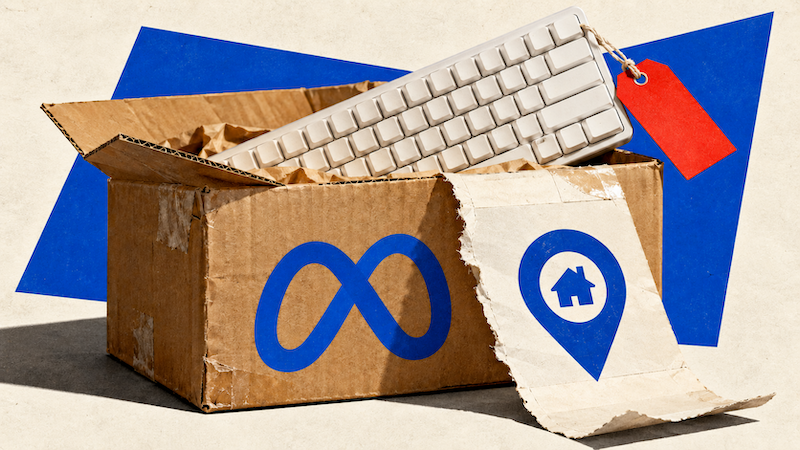
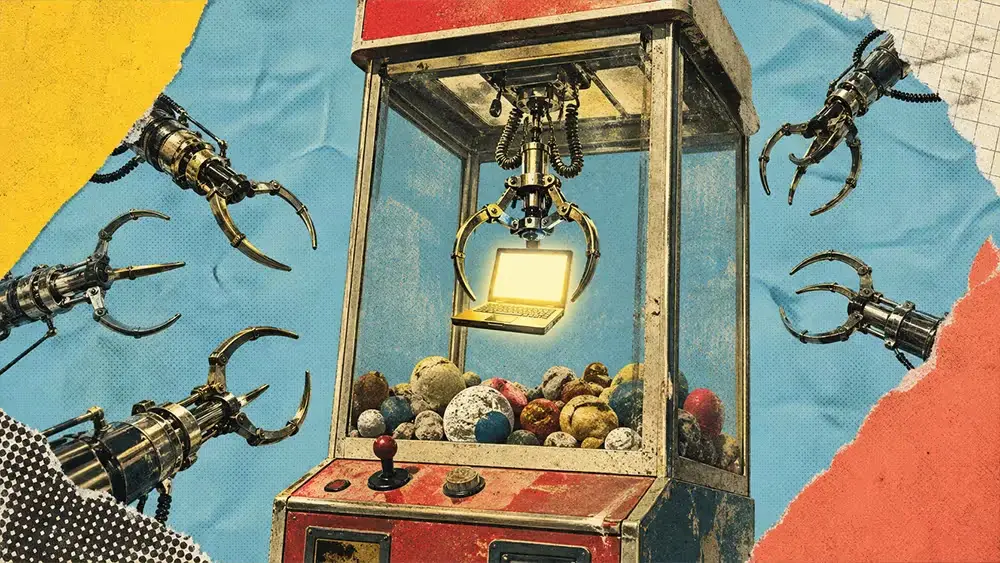
/news/meta-muse-ai-agent-facebook-marketplacehttps://www.thestateofbrand.com/media/uploads/7d8ca3e369a47463d15e10e80d6d28d7e78bfc55187a0e52226928d058d814db.pngMeta's AI Agent Sold a User's Keyboard for $10 and Shared His Address. Today Meta Pitched It to Businesses.2026-09-28T17:20:20.544Z
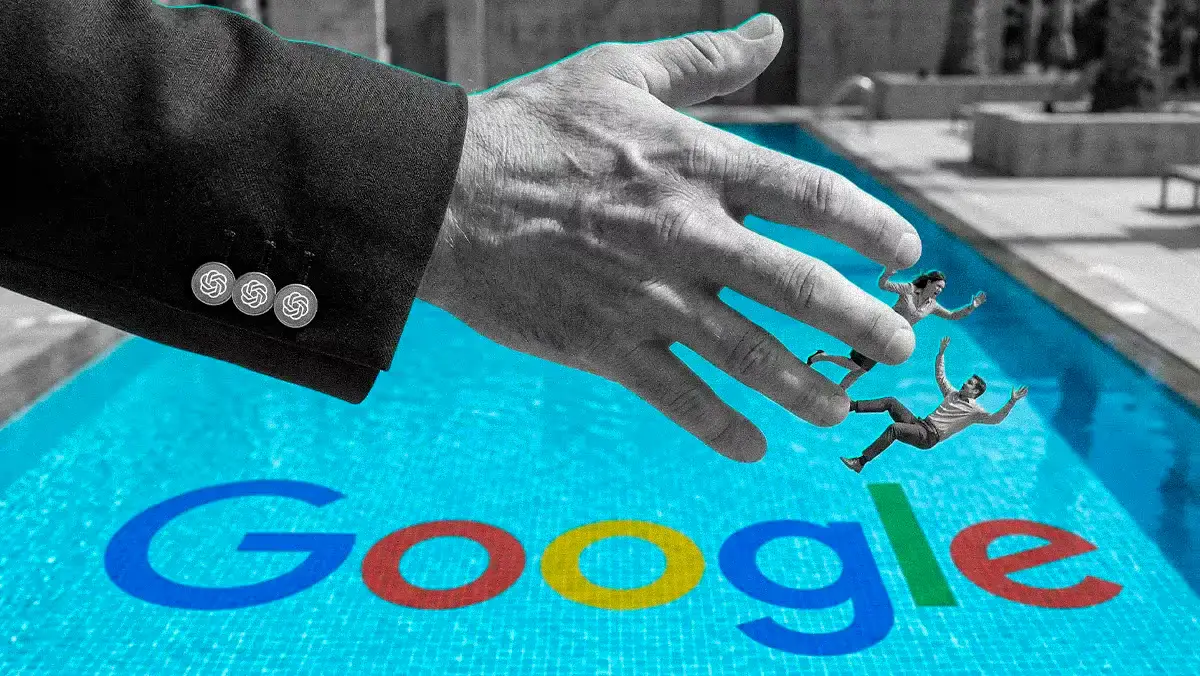
/news/clay-profound-gtm-engineer-naming-warhttps://www.thestateofbrand.com/media/uploads/45379ceca6f8fe07daf05ae9a99445bde907f485d5f70a38dd0887ef07c2a5f9.webpClay Put $1 Million Into a Job Title. Profound Is Running a University to Rename It.2026-09-09T15:26:31.651Z
/news/great-convergencehttps://www.thestateofbrand.com/media/uploads/c68deb6ec7b08bf7b50820acb3743e36b9a8e7ec4f3e9f2fa37c7a7e89c02581.webpThe Great Convergence: Everyone Sounds the Same. Now They're Becoming the Same Company.2026-08-25T15:03:57.775Z
/news/ftc-ai-claims-b2b-liabilityhttps://www.thestateofbrand.com/media/uploads/21a5a116526dde32766ae41567854c7987c126d173828e1fb23d3e5873e4e026.webpThe FTC Is Now Fining Companies Over the AI Claims in Their B2B Marketing2026-08-24T16:45:35.715Z
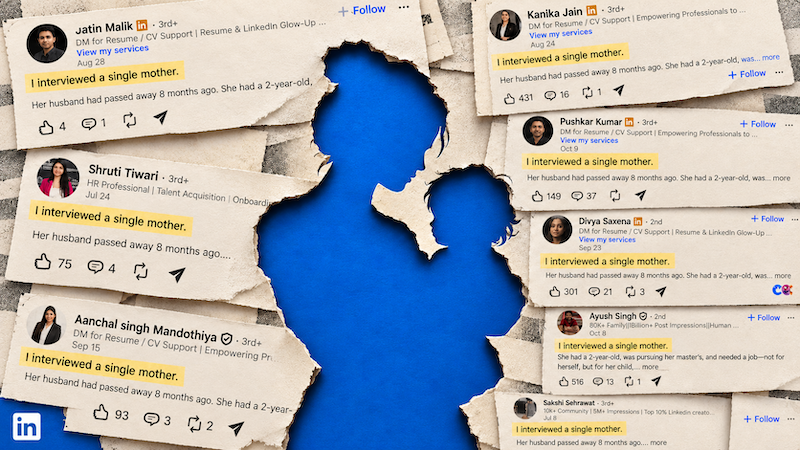
/news/linkedin-single-mother-story-dead-internethttps://www.thestateofbrand.com/media/uploads/a8e4eb082f56bf24b17efb6932dcf85912f4d36cc0647e8a69e434d487260e7f.png2026-10-12T21:10:56.190Z
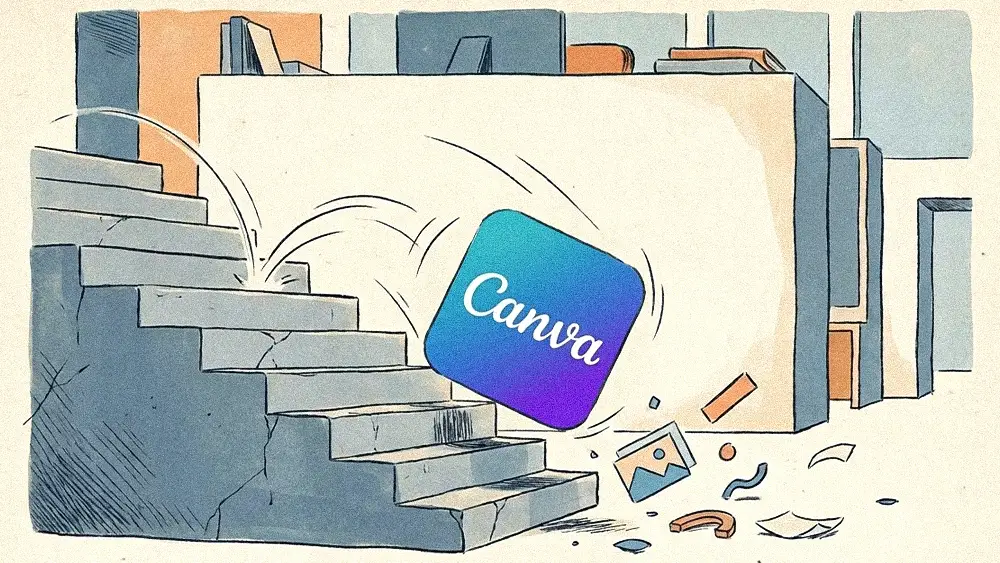
/news/canva-loved-brand-valuation-markdownhttps://www.thestateofbrand.com/media/uploads/d7b4744381a08af95b8789cfcb968a85532a2915da4a48207f4ebd84fa248edb.webp265 Million People Still Love Canva. The Market Took $11 Billion Off Anyway.2026-08-18T17:37:30.408Z
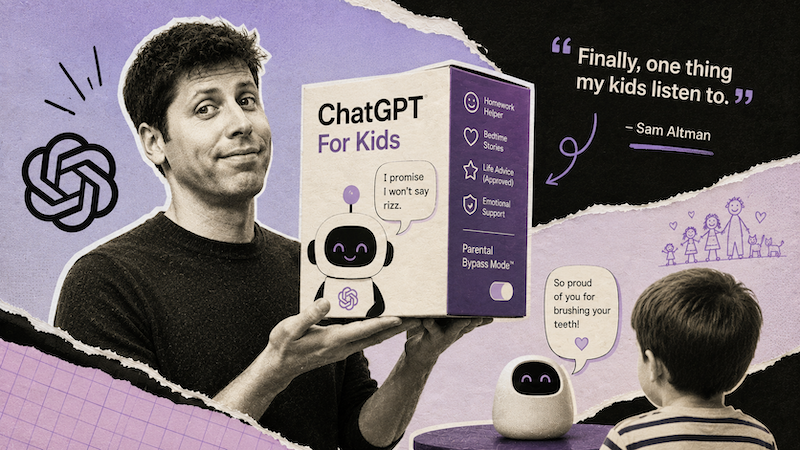
/news/sam-altman-talking-to-your-childrenhttps://www.thestateofbrand.com/media/uploads/c0877e422441c3efa279e44218f5a2762e63e0e6c7abdbe3f9e105e52a175f08.pngSam Altman Has Solved the Problem of Talking to Your Children2026-08-02T23:53:38.074Z
/news/economists-ai-job-displacement-letterhttps://www.thestateofbrand.com/media/uploads/fc5f72daeaf7a896e93efea5eb3db041950a2bacf1a958932bf1a4ddc19fffe3.webpMore Than 200 Economists Sign Open Letter Urging Action on AI Job Displacement2026-07-14T05:24:47.507Z
/news/martech-stack-cdp-collapse-last-milehttps://www.thestateofbrand.com/media/uploads/d1be85dbdf54c6b4efbb326099d0e9a2c0153436a1db02d504b2fea0f6f98258.webpAI Just Hollowed Out the MarTech Stack. Winners Are Racing to the Last Mile.2026-07-13T01:04:14.919Z
/news/hubspot-terms-of-service-data-changeshttps://www.thestateofbrand.com/media/uploads/0e37cc74f86fed0bb5221ccbc6949ddf94ec75d1937d476b89aa9d491e48e151.pngHubSpot Spent 20 Years Selling Trust. It Took Four Days of Fine Print to Put It on the Line.2026-07-06T00:56:33.638Z
/news/palantir-ceo-attacks-openai-anthropichttps://www.thestateofbrand.com/media/uploads/fa137d6b7a6bd168e3b881a35e845edb78edc516db2f35ca7645b216897be0f8.pngPalantir CEO Alex Karp Attacks OpenAI and Anthropic's Enterprise AI Model on CNBC2026-07-03T16:58:12.435Z
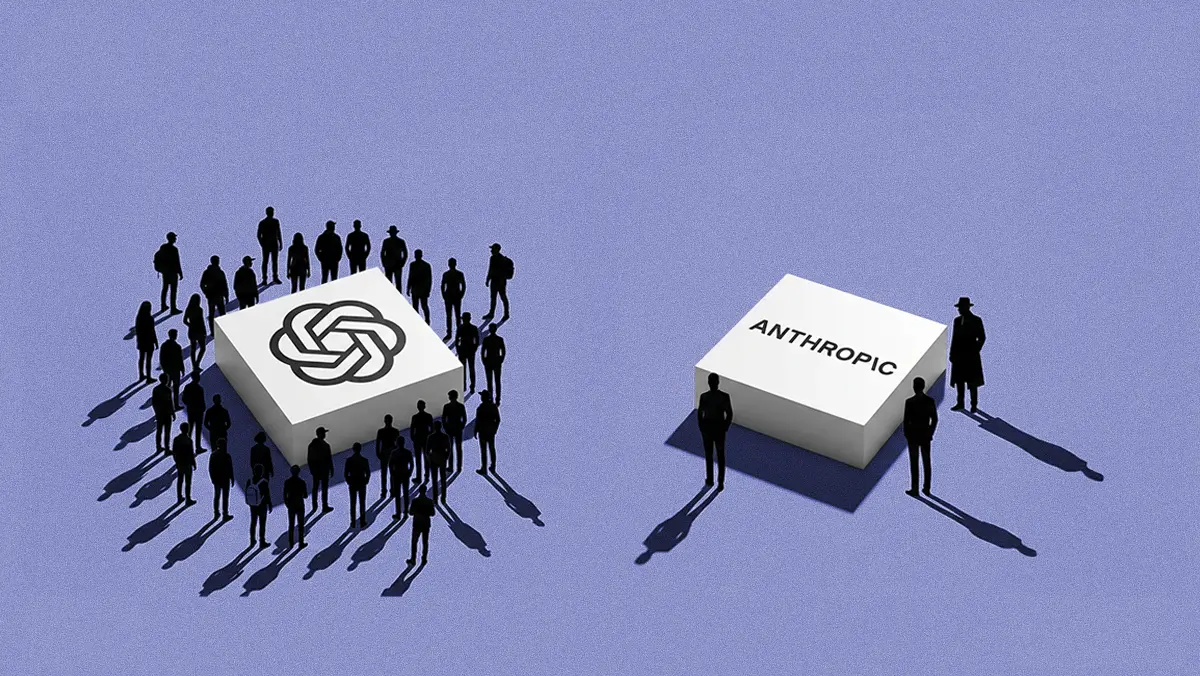
/news/openai-delaying-ipo-losing-consumer-market-to-anthropichttps://www.thestateofbrand.com/media/uploads/9f504683bffafa8ff914ee479c72fb2b21ca8319633d495bbdcd5c4b28cc4d4c.webpOpenAI Is Delaying Its IPO to 2027. The Reason That Matters Is the Consumer Market It's Losing to Anthropic.2026-06-29T03:53:51.576Z
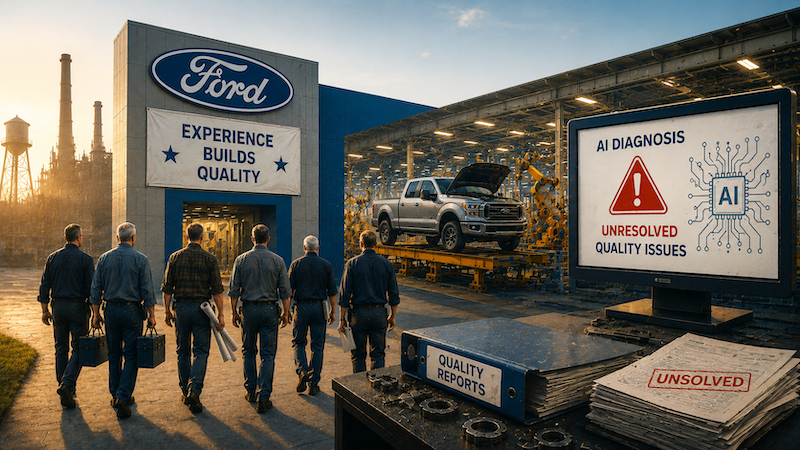
/news/ford-rehires-350-veteran-engineers-ai-didnt-fix-qa-issueshttps://www.thestateofbrand.com/media/uploads/844daab463de6f3ec0fb513ad61c90e08f1a13efc823f21fbbf5a8809118e3fe.pngFord Rehired 350 Veteran Engineers After AI Couldn't Fix Its Quality Problems2026-06-28T03:57:44.064Z
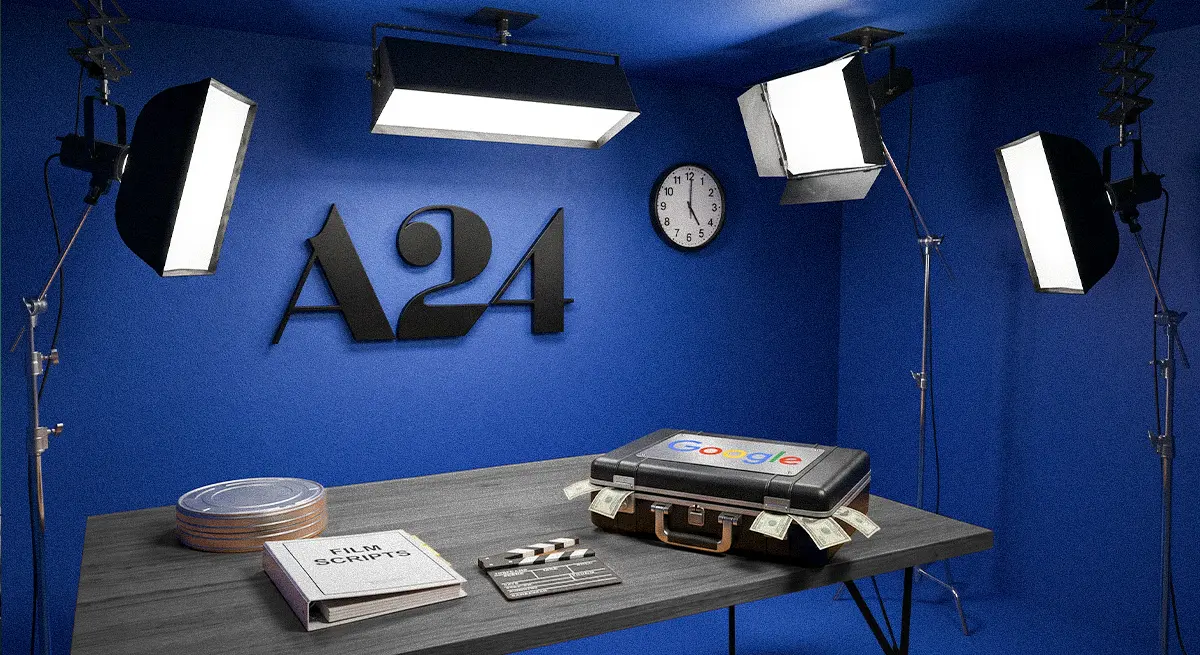
/news/google-invests-75-million-in-a24-ai-filmmaking-toolshttps://www.thestateofbrand.com/media/uploads/1ead9903c700a2b92a6f7a6e953d26a794ade784f8c071cd2311ddf80ac149e1.webpGoogle Invests $75 Million in A24 to Build AI Filmmaking Tools2026-06-22T22:42:22.196Z
/news/getty-images-open-ai-chatgpt-dealhttps://www.thestateofbrand.com/media/uploads/c804f5817fec18f1a3c210d7fa2aba40115c9dc976b360cad4eb6920cafd02de.webpGetty Images and OpenAI Sign a Deal to Show Getty Photos Inside ChatGPT2026-06-22T18:57:48.927Z
/news/sophia-deluz-bhan-search-atlashttps://www.thestateofbrand.com/media/uploads/846e792fa96054363373f747facd2ac804a544425d1b53292e50b4a3c95a0296.webp2026-06-19T16:00:59.966Z
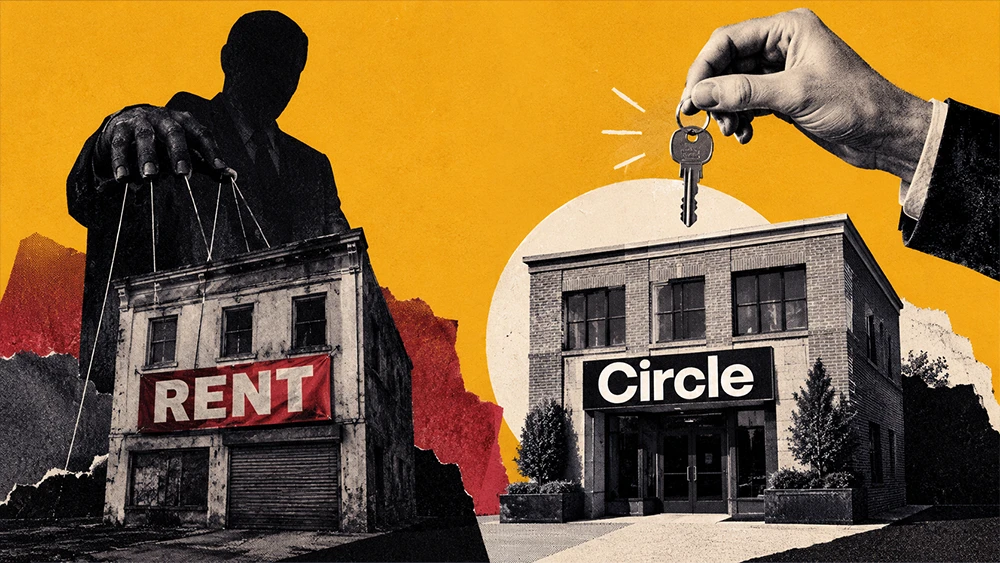
/news/circle-launches-eclipse-bets-on-owned-audienceshttps://www.thestateofbrand.com/media/uploads/b5267e3dc99676fdcdc4d8d80eaa0037a608a59d01cf0cb3a39c8a196bbf6b81.webpCircle's Biggest Launch Makes the Owned-Audience Case Better Than Anyone. The Open Question Is Who Owns the Demand.2026-06-17T05:47:39.889Z
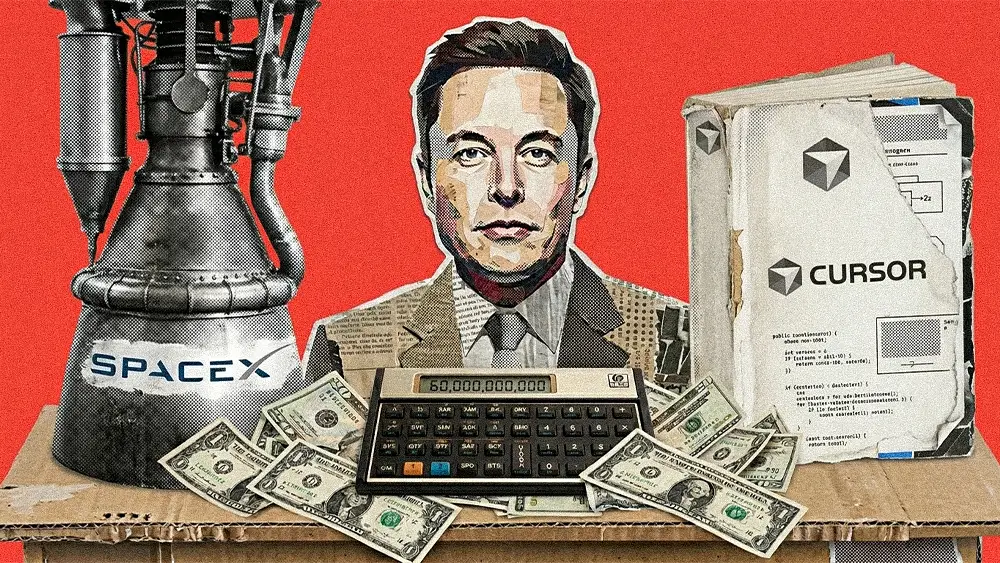
/news/spacex-agrees-to-buy-cursor-for-60-billionhttps://www.thestateofbrand.com/media/uploads/a65ef4eb937a42c5e7081ee0a89564c6004d721b0731ef98302acd92586e7272.webpSpaceX Printed the Biggest IPO in History on Monday. By Tuesday It Had Spent $60 Billion of It Buying the AI Coding Startup That Twice Told OpenAI No.2026-06-16T16:26:49.211Z
/news/saas-companies-ai-nativehttps://www.thestateofbrand.com/media/uploads/6e4d185477d92dc36d27ab10a7526de382c5f962c6a27663e0cc4f847e819d7b.webpCan a SaaS Company That Retrofits AI Ever Be Seen as AI-Native? The Market Already Has an Answer.2026-06-10T17:43:21.571Z
/news/when-ai-builds-itself-anthropic-ipohttps://www.thestateofbrand.com/media/uploads/ba3bc43efccef33bf92a99d83dbcc4ed457dca9f1ad8e63e15fd94fa586e09f1.webpAnthropic's "AI Builds Itself" Story Lands Right on IPO Schedule2026-06-08T19:17:35.945Z
/news/granola-ai-product-strategyhttps://www.thestateofbrand.com/media/uploads/d788665f09c1fbc6ec40914e90cfa4df1d1c87f7e7c24f8385605fdb80a62d3e.webpEvery AI Meeting Tool Sent a Bot to the Call. Granola Refused. Now It's Worth $1.5 Billion and the Bot-First Players Should Be Worried.2026-06-02T05:35:30.812Z
/news/anthropic-65-billion-valuationhttps://www.thestateofbrand.com/media/uploads/7597b59031bde40070ffcafc303d22dab0f4acfa346ddb7165dd4c8c26c6e66f.webpAnthropic's $65 Billion Raise Tops OpenAI. The Model It Won't Sell You Is Why.2026-05-28T21:19:14.398Z
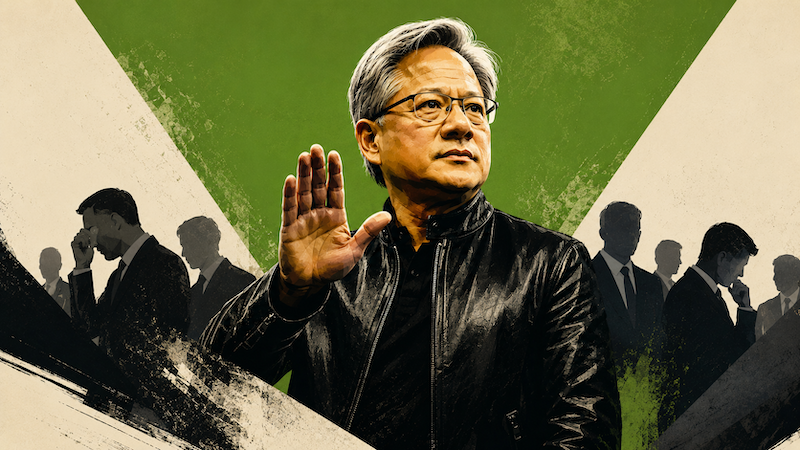
/news/jensen-huang-ai-layoffshttps://www.thestateofbrand.com/media/uploads/e6b97fe77943ebae2f641c64b366e4902c34e387cdbe2b532b966e02725289b7.pngJensen Huang Just Told Every CEO Hiding Behind AI Layoffs to Shut Up. He's Right. And He's Not the Only One.2026-05-26T15:43:38.806Z
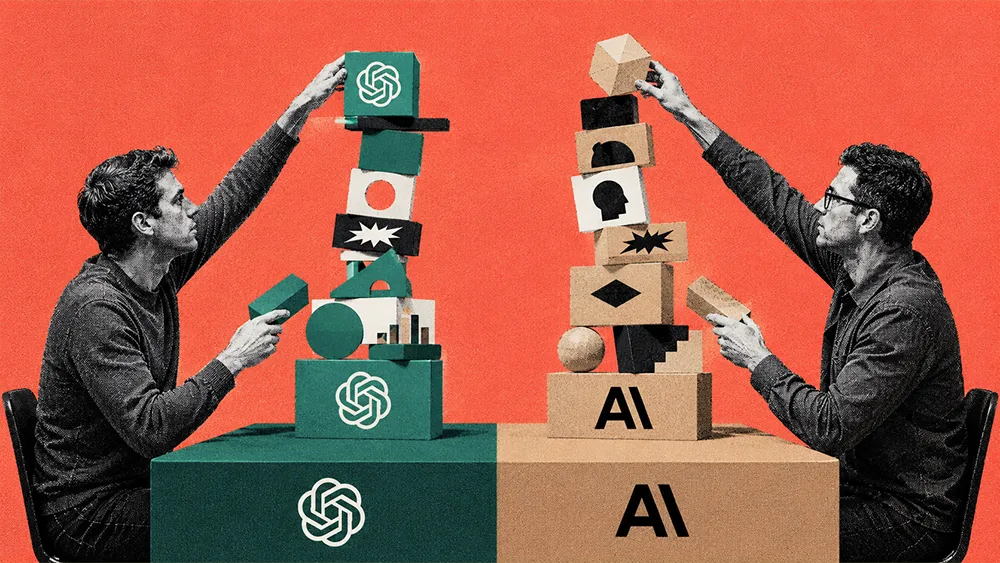
/news/openai-anthropic-ipo-arms-racehttps://www.thestateofbrand.com/media/uploads/145071e834c5b8c1f913ea77e2a441764632a55e7a6d8fd5128b34a44ccf8a55.webpThe Arms Race Before the Bell: What OpenAI and Anthropic Are Really Doing Right Now2026-05-25T05:06:14.773Z
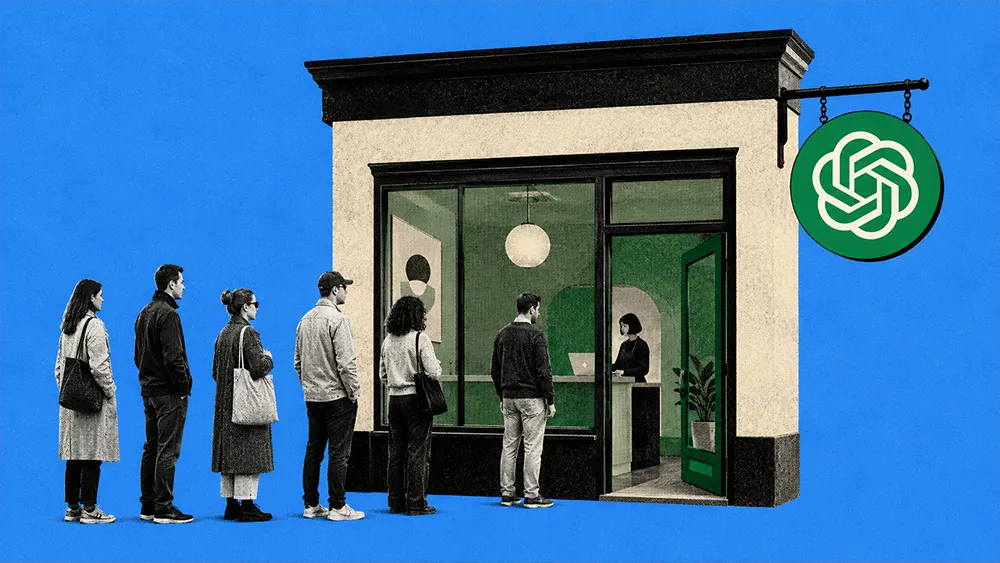
/news/openai-opened-chatgpt-ads-to-everyonehttps://www.thestateofbrand.com/media/uploads/376c42d8f9472b62088ce592ff0828f7c99a68519d0dfb5ae03b3cdb18bd50d7.webpOpenAI Just Opened ChatGPT Ads to Everyone. The Channel That Didn't Exist Four Months Ago Now Has 600 Advertisers, $100 Million in Revenue, and a Self-Serve Platform.2026-05-25T01:28:08.249Z
/news/trump-just-killed-the-first-real-ai-regulationhttps://www.thestateofbrand.com/media/uploads/dda95ea6ee77915c35756970c2804f8a88234ca84435ee90bd28f68dee2acd21.webpTrump Was Hours Away From the First Real AI Regulation. Then He Killed It Because He Hates Regulation.2026-05-22T21:16:33.725Z
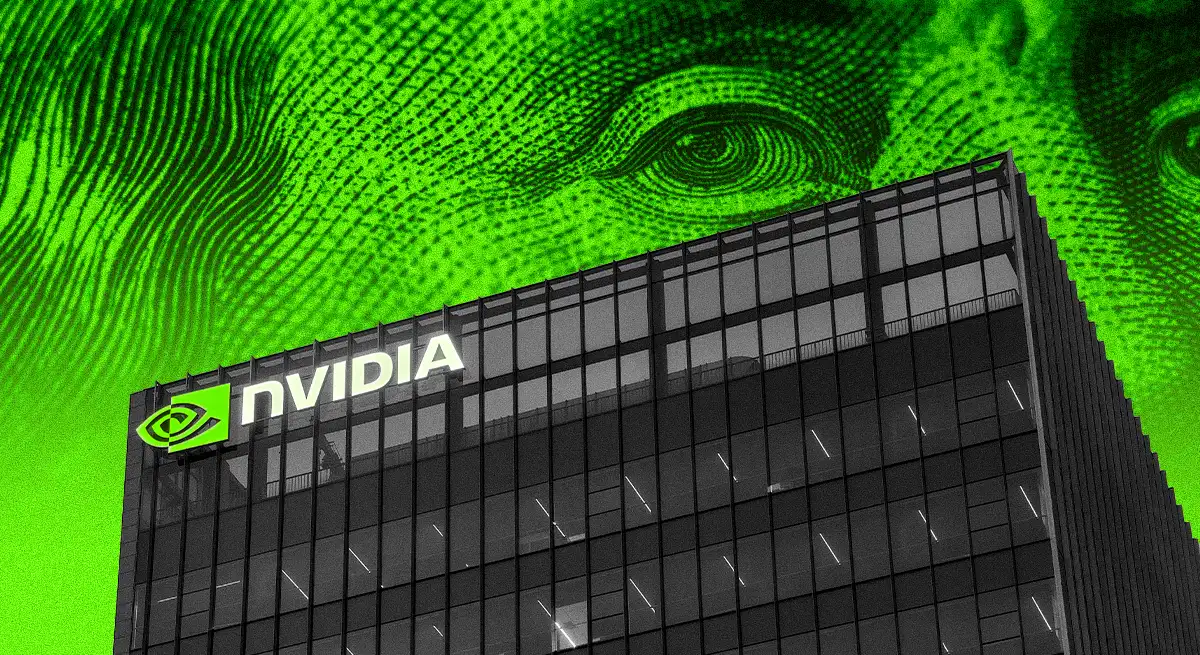
/news/nvidia-beats-earningshttps://www.thestateofbrand.com/media/uploads/a318ce39cd355de039a445f877ce158182a30dbbf06f53e1ccc390231d4c65de.webpNVIDIA Just Posted $81.6 Billion in a Single Quarter. $75 Billion of It Is Building the System That Replaces Your Buyer.2026-05-20T22:39:59.931Z
/news/ai-tokenmaxxinghttps://www.thestateofbrand.com/media/uploads/54f87c469dfa0c989c2ce56b6af3e13b4f0d29af6b94ae58af5a9c3f7b5cc980.webpBig Tech Gamified AI Adoption. Now Nobody Can Afford the Score.2026-05-20T15:50:38.799Z
/news/google-blackstone-ai-chipshttps://www.thestateofbrand.com/media/uploads/b39a89eb224dafeb82b7dd8c37b8a4b1fa1b0f4289c90e4f67a14efc52f3e47f.webpGoogle Just Turned Its AI Chips Into a Brand, and Blackstone Is Betting $5 Billion on It2026-05-19T22:51:11.224Z
/news/employees-sabotaging-company-ai-strategieshttps://www.thestateofbrand.com/media/uploads/0d7acc310d7145654c2372e73d3bafb8f84526ce836f2bcdb7704d55fc3bf4a4.webpCompanies Rolled Out AI With a Layoff Threat Attached. Now 29% of Employees Are Sabotaging It.2026-05-19T02:45:03.510Z
/news/openai-deployment-companyhttps://www.thestateofbrand.com/media/uploads/33a3f1e3df3ac3f87c20bcce2a7202d6218efe125a1571f4b27ce22a9dd5a864.webpOpenAI Just Launched Its $4 Billion Deployment Company. The Enterprise AI Land Grab We Predicted Is Now Official.2026-05-11T22:57:28.234Z
/news/ai-now-costs-more-than-employeeshttps://www.thestateofbrand.com/media/uploads/4292217e84952e350641ebeef2b89edd5fb9884ae32fbeb430c5afff1501b173.pngAI Now Costs More Than the Workers It's Replacing. Companies Are Cutting Anyway. That's the Whole Problem.2026-05-11T04:12:04.558Z
/news/ai-job-cuts-not-improving-returnshttps://www.thestateofbrand.com/media/uploads/482c2d5d00a6221b7079b23e9c893486cc28927bfa47612ad124daeb9ab78d04.png80% of Companies Cut Jobs for AI. It Didn't Improve Their Returns. Not Even a Little.2026-05-08T03:30:52.093Z
/news/klarna-reverses-ai-job-cutshttps://www.thestateofbrand.com/media/uploads/8be3f1a99e8727364eb44b8d0148efbb518d074e56e175b33d3b0c749b79ffb0.webpKlarna Cut 700 Jobs for AI. Then Hired Them Back. Every B2B Leader Should Pay Attention.2026-05-07T16:29:04.330Z
/news/anthropic-openai-enterprise-ai-ventureshttps://www.thestateofbrand.com/media/uploads/bf0a8b31e6cf7077725cc2d77972bac794de17d227ca824558f5cbb5d057f116.webpAnthropic and OpenAI Are Both Launching Billion-Dollar Enterprise AI Ventures, and It Will Force Every Product and Tech Company to Rethink How They Operate2026-05-04T20:06:45.071Z
/news/microsoft-harvey-legal-ai-battlehttps://www.thestateofbrand.com/media/uploads/b340317625917a6d5dc3959a44d6a7b56acda14086624e06cef22e7335a18293.webpMicrosoft Stapled a Legal AI Agent Inside Word. Harvey's $11 Billion Bet Just Got a Lot More Expensive.2026-05-04T04:06:56.555Z
/news/marketers-guide-to-open-clawhttps://www.thestateofbrand.com/media/uploads/1acf11627518e5ce9598efd9cf373d1c84db455175f49291ab2780e0184d2b66.webpThe Marketer's Field Guide to the Agent Claw Wars2026-04-29T15:41:05.876Z
/news/openai-gpt5-5-brand-leadershttps://www.thestateofbrand.com/media/uploads/a18ddbb0bac8a0eff38098d5b87cde0531dabd3fdb545b0f1556034b081f1dd7.webpOpenAI Shipped GPT-5.5 Today. Here's What That Means For Brand Leaders.2026-04-24T06:50:31.693Z
/news/lovable-anthropic-designhttps://www.thestateofbrand.com/media/uploads/d0e4bf3ac139e5fbfc77bb4c3a2e4fe9b7dd86d49c1a7d04c2f0b7a27a1f3387.webpLovable Built $400M in ARR on Someone Else's Model. Anthropic Just Made Their Move.2026-04-24T04:56:27.316Z
/news/spacex-acquires-cursor-for-60-billionhttps://www.thestateofbrand.com/media/uploads/af28186dfd6200beac628f9a5c6ab96055479e830a36aa8139e3a60dc621f794.webpSpaceX Just Agreed to Buy Cursor for $60 Billion. It Says Everything About Where Moats Are Now.2026-04-22T04:03:16.790Z
/news/does-chatgpt-sends-traffic-to-googlehttps://www.thestateofbrand.com/media/uploads/cdc455cdac3d8d16c47db56c5c7e3f655ebbd3ad21261a20d98b85c842a3a2b9.webpChatGPT Sends 20% of Its Traffic Straight Back to Google. The "AI Kills Search" Story Just Collapsed.2026-04-22T01:53:02.988Z
/news/anthropic-mythos-openai-cybersecurity-brand-trust-restraint-enterprisehttps://www.thestateofbrand.com/media/uploads/b89da6d53dfca1c090eee94d2b694b996fa5933226edacf6a2627c85d368117d.webpAnthropic Restricted Its Most Capable Model While OpenAI Shipped With Confidence. That Contrast Is the Whole Story.2026-04-17T22:30:44.488Z
/news/stanford-ai-index-brand-investment-trust-transparency-2026https://www.thestateofbrand.com/media/uploads/0b7539da8cfc40e88fea1cb5422cf16415e0c5edc68b67ccd6a3bff49f858d80.webpStanford's AI Index Proves the Capability Gap Is Closing. The Trust Gap Is the Whole Game Now.2026-04-17T03:47:07.872Z
/news/emdash-cloudflare-wordpress-alternativehttps://www.thestateofbrand.com/media/uploads/aececd2c769d7ac9663f59abe85c8cb7f70f3c2ed94e8fc24c13df6060d0dba5.webpIs it the End of the Free Ride for AI Crawlers as Cloudflare's EmDash Hands Power Back to Brands?2026-04-14T21:16:41.325Z
/news/ai-blind-spot-for-cmoshttps://www.thestateofbrand.com/media/uploads/d54f145e2fb27607740ae8adbb758cfbce36e730e96803888f0d30d5e33880b3.webpThe AI Blind Spot CMOs Keep Mistaking for a Skills Problem2026-04-12T22:21:46.686Z
/news/growing-audience-b2b-teams-are-ignoringhttps://www.thestateofbrand.com/media/uploads/7d896c1cbcdb522eb12828ff9f2413857776227910dec6b89bd99176ad1e2114.webpThe Growing Audience B2B Brand Teams Aren't Writing For2026-04-12T22:19:15.104Z
/news/stensul-enterprise-marketing-ai-surveyhttps://www.thestateofbrand.com/media/uploads/9714077ad07270745e6518217f48b276f1ab8cf8471202a7de11866fbba3f205.webpThe AI Governance Gap Is Marketing's Biggest Self-Inflicted Wound2026-04-11T00:31:58.924Z
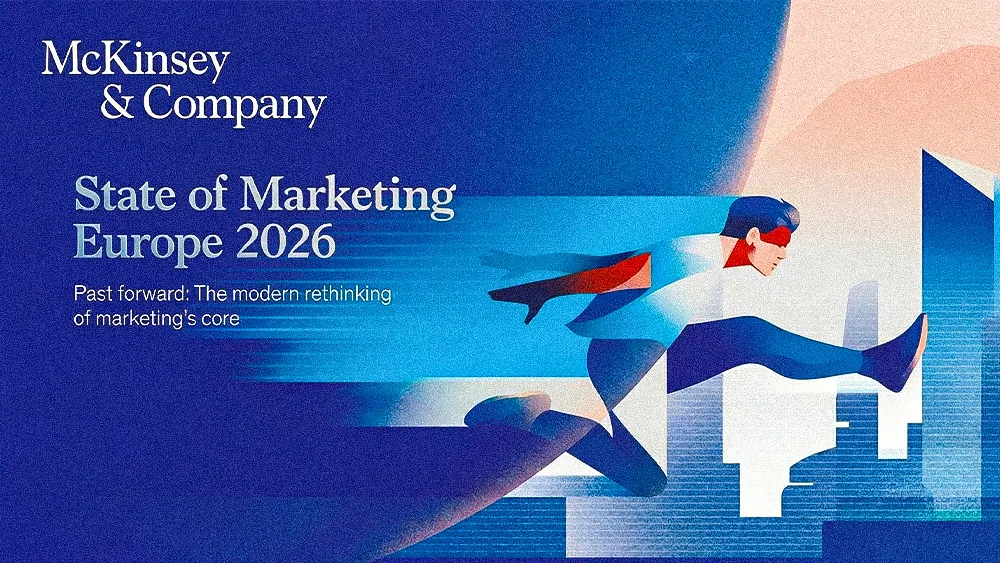
/news/mckinsey-report-cmos-ai-roihttps://www.thestateofbrand.com/media/uploads/f3fd5c790451286b5509a5a4f6745830d5d4df04fb5cc32db0d0f7e9b5a71711.webpNew McKinsey Data Shows The CMOs Winning With AI Are The Ones Who Invest In Brand First2026-04-11T00:31:10.484Z
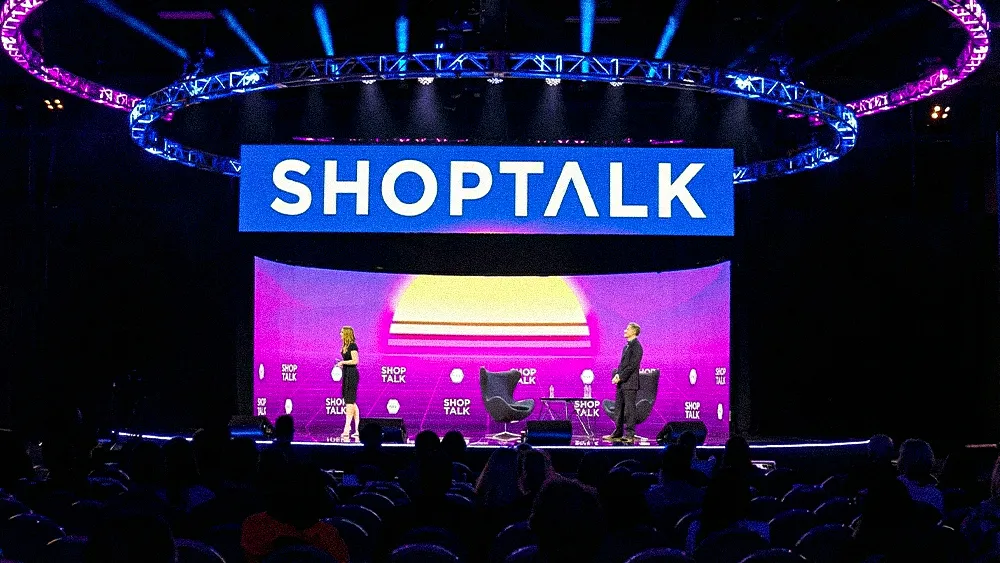
/news/shoptalk-2026-ai-brand-governance-challengeshttps://www.thestateofbrand.com/media/uploads/289bc916317885567762778f13cffcfbb3e8073c14fa76b6664857645ea3fff9.webpAI Dominated The Shoptalk Stage, But Beneath The Surface, It's Brand That Pays The Price2026-04-10T20:21:28.660Z