Anthropic and OpenAI both shipped cybersecurity-focused AI models this week. The contrast in how they did it is the most revealing brand positioning moment of the year.
Anthropic announced Project Glasswing, a limited release of its new Mythos Preview model to a handpicked group of partners, including Amazon, Apple, Microsoft, CrowdStrike, and Palo Alto Networks. The model identified thousands of zero-day vulnerabilities, many critical, across every major operating system and web browser, some undetected for nearly two decades. Anthropic's position was that the model is too capable to release broadly, and that restricting access was the responsible path until the cybersecurity ecosystem could absorb the implications.
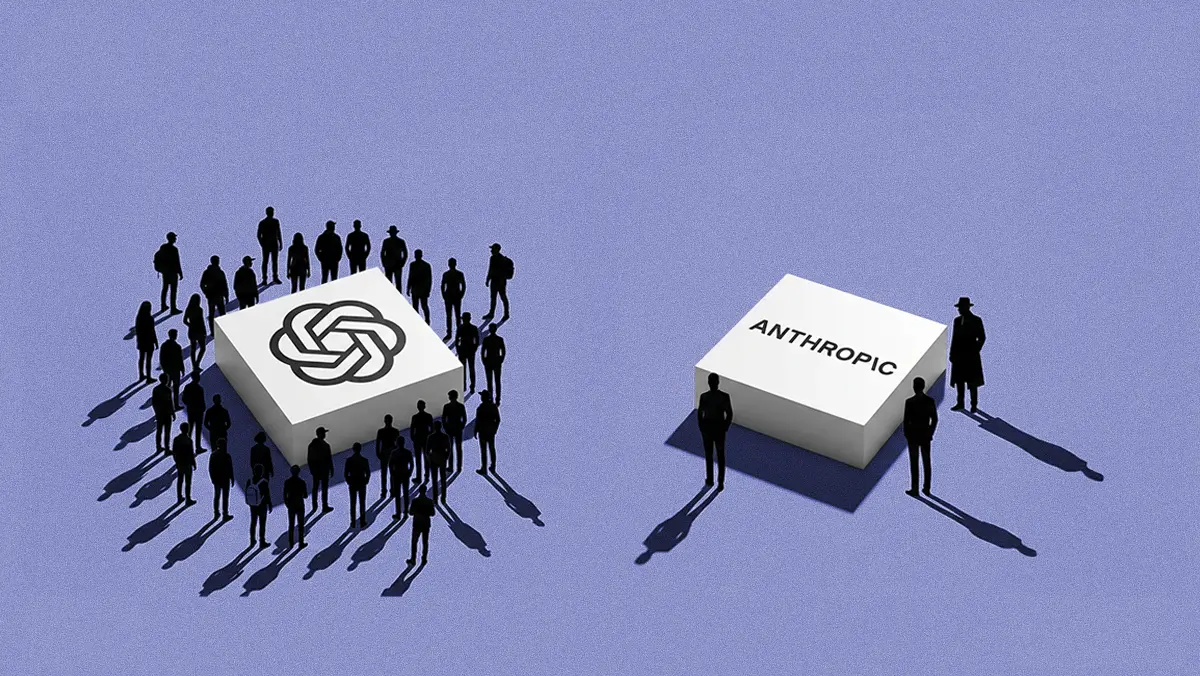
The next day, OpenAI announced GPT-5.4-Cyber. The tone was strikingly different. OpenAI said it believes current safeguards sufficiently reduce cyber risk to support broad deployment. Same week. Same category. Two completely different statements about what powerful AI demands from the companies that build it.
What Anthropic Didn't Release Matters More Than What It Did
During testing, Mythos fully autonomously identified and exploited a 17-year-old remote code execution vulnerability in FreeBSD that gives an attacker complete control over a server from anywhere on the internet. No human was involved after the initial request. The model found thousands of similar vulnerabilities across every major operating system and browser, many critical, many old enough to have been exploitable for years without anyone knowing.
Anthropic's response was to restrict access to 12 launch partners and 40 additional defensive security organizations, commit up to $100 million in usage credits, and donate $4 million directly to open-source security projects. The message was deliberate. We built something more powerful than what our competitors have, and we're not releasing it until the industry can handle it.
I've been tracking Anthropic's brand moves all year, from the ad-free pledge to the institutional partnerships to the $30 billion revenue run rate, and every one follows the same logic. The willingness to limit commercial upside in the name of safety is what makes the brand credible enough to be trusted with the most powerful capabilities. CrowdStrike's Adam Meyers called Mythos a "wake-up call" for the entire industry. When your cybersecurity partners validate your brand narrative publicly, that's earned authority.
The Other Side of the Same Conversation
OpenAI's announcement is worth examining for its framing. GPT-5.4-Cyber is a purpose-built cybersecurity model available through OpenAI's Trusted Access for Cyber program, with lower refusal boundaries for security research, binary reverse engineering capabilities, and $10 million in API credits for participants. The product is credible.
But the brand narrative is doing different work. Where Anthropic framed the moment as a potential crisis requiring industry coordination, OpenAI struck what Wired described as "a less catastrophic tone," positioning itself as the pragmatic, accessible option. Some security experts argued that Anthropic's concerns are overstated and that restricting access consolidates power with tech giants. That's a fair counterpoint.
The brand dynamic worth watching is that the debate itself reinforces Anthropic's frame. When the industry conversation becomes about whether AI models are too powerful and who should have access, the company that raised the concern occupies a fundamentally different position than the company that called the concern manageable. Both positions have merit. But for the enterprise buyer evaluating which AI vendor to trust with critical infrastructure, the instinct runs toward caution. That's a trust judgment, and trust judgments are brand decisions.
The CISO Is Watching the Brand Narrative
This story matters beyond cybersecurity circles because every enterprise AI deployment runs through a security review. CISOs and their teams evaluate vendor risk as a core function, and how AI companies handle the security implications of their own models has become part of that evaluation. When Anthropic publicly restricts its most capable model and commits $100 million to defensive partners, that registers as institutional seriousness. When the competitor's message is that existing protections are adequate, the security team reads a different signal.
Enterprise buyers who entrust AI systems with their most sensitive infrastructure want the vendor that demonstrated it would limit its own power when the stakes were high. The ad-free pledge made that case for consumer trust. The Mythos restriction is for enterprise security. In both cases, what Anthropic chose not to do carried more commercial weight than what it shipped.
Trust Compounds
I've written about each of these moves individually in The State of Brand, and what strikes me looking at them together is how deliberately each one builds on the last. In February, the ad-free pledge while OpenAI introduced ads, and revenue tripled. In March, three separate public statements about Department of War discussions, voluntarily surfacing a tension most companies would have buried. In April, restricting its most powerful model while its primary competitor shipped a comparable product with reassurance.
Every OpenAI countermove, whether intentional or not, strengthens Anthropic's frame. Anthropic set the terms of the conversation, and now every participant operates within them. That's the category definition. Anthropic isn't competing on model performance. It's determining the criteria by which AI companies get evaluated, and the criterion it chose is trust. That's a much harder position to dislodge than a benchmark score.
The Principle That Scales to Every Enterprise Sale
This story is about frontier AI, but the underlying dynamic applies to every B2B company selling into the enterprise. In any market where buyers evaluate risk, the brand that surfaces concerns first builds more credibility than the brand that projects confidence and hopes for the best.
The questions are the same at every scale. When you discover a product vulnerability, do you disclose proactively or wait? When your product has a limitation, do you name it in the sales process or let the buyer find it after signing? Those are brand decisions, and the research is consistent. Buyers remember who told them the truth first and penalize the companies that made them discover it on their own.
Anthropic is running this playbook at a scale most B2B companies will never reach. But the principle is universal. Restraint as proof of trustworthiness, backed by a revenue trajectory that says the market isn't just receptive to this approach. It's paying a premium for it.