As Discovery Fragments, OpenTable Wins Attention By Putting Someone Else In The Spotlight
OpenTable CGO Robin Chiang on how the platform stays authentic by amplifying the restaurants and creators diners trust.
Make State of Brand one of your go-to sources on Google


We don't want to get in the way of the restaurant's storytelling. We just want to amplify that.
For more than a decade, reaching customers digitally was a solved problem with two answers: Facebook and Google, the dominant channels nearly everyone flocked to. That brand-building playbook has been replaced by something messier and more human. Discovery has splintered across channels and formats, and the brands that hold meaning in that environment are the ones willing to step out of the center and let someone else tell the story.
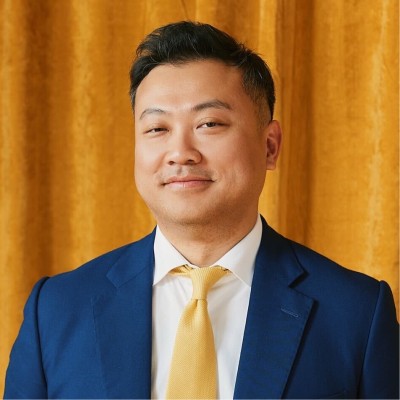
Robin Chiang is Chief Growth Officer at OpenTable, where he leads global growth, diner acquisition, and strategic partnerships across the US and international markets. He came up through travel and emerging markets before moving into dining, and approaches marketing at a technology company from a deliberately human-first stance, reading anecdotes alongside the numbers. That human-first instinct extends to how OpenTable treats the restaurants on its platform, whose own voices it prioritizes.
"We don't want to get in the way of the restaurant's storytelling. We just want to amplify that," Chiang says. Putting that principle into practice has meant rethinking how the brand shows up in today's crowded landscape.
The single-channel era is over
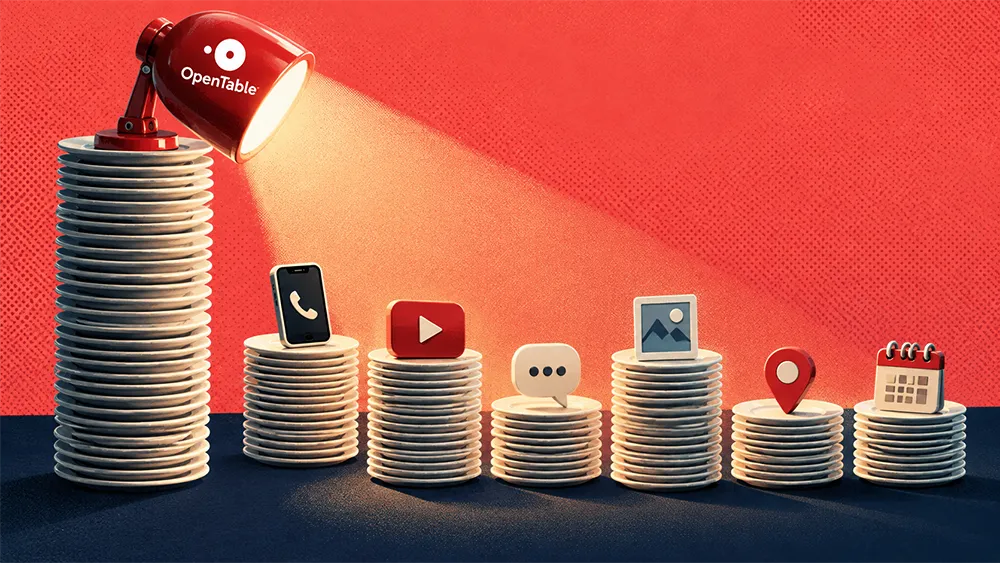
Chiang measures the current market against the one he came up in. "Going back a decade, when you look at how people discover, all the marketers have really flocked to one or two main channels," he says. That concentration is gone, replaced not just by more channels, but by genuinely different appetites for how people consume information. "Some people want text, some people want long-form, some people want short-form," he says. The fastest-moving of those is visual: video and multimedia. "Not everyone wants to discover this way, but there are some people that only discover this way. How do we showcase a whole funnel for a wide range of people that discover in different ways? That was a gap that we were thinking about."
Social itself has shifted underneath the change, from a community centered on the user's own network to one built around strangers. "Now your feed is filled with content created by people you don't know," Chiang notes. For a brand, that means there's no longer one front door to guard, but many, and for OpenTable, it's this principle that inspired the brand's latest collaboration.
Building the machinery of modern discovery
In August, OpenTable announced a new partnership with creator marketplace SeekEasy that will bring storytelling directly onto the platform's restaurant pages. Creators who opt in and feature a restaurant have that content surface where diners are already deciding where to book.
It's a direct response to the fragmentation problem, routing the trusted voices diners already follow into the moment of decision rather than manufacturing a brand voice across a dozen formats. It's also an answer to the rise of visual, creator-led discovery Chiang had been trying to meet. "This is how people want to discover on top of a novel search experience, so now we want to create this hybrid experience. You can browse through videos quickly in one spot, then dive deep on OpenTable because we have all the restaurant information there." The partnership embodies Chiang's amplification philosophy in structural form: the creators tell the story, the restaurants stay the subject, and the platform supplies the stage.
The savvy consumer and the authenticity line
Keeping the restaurants front and center, Chiang says, also solves a harder problem: authenticity. Audiences have grown fluent in spotting a pitch, and the moment a consumer reads a post as an ad, its credibility thins. Chiang's approach to staying authentic is rooted in who OpenTable actually serves. "Almost all the restaurant groups we work with have between one to three restaurants, so they are true mom-and-pops," he says. "We listen to the restaurants about how they want to present themselves and showcase themselves and how they don't."
If a restaurant wants to tell its story through influencers, the platform supports it. If it prefers email or a guide, that works too. The brand's job, once again, is amplification rather than authorship.
The approach extends to measuring success. Chiang treats the people most passionate about dining, like the tastemakers always first to a new spot or an emerging cuisine, as a live signal. "It's that person in your circle that's always finagling to get everyone to go to a new restaurant. For me, that's where it starts." The numbers matter, but he reads them alongside direct feedback from the people who live the category, because they show where it's heading before the dashboard does.
Learning from experience
The amplify-first stance didn't come out of nowhere. It was born from a misstep. "A few years ago we did try to push our brand a little too much, and that's when the inauthenticity came in," Chiang shares. "People were like, 'I'm going to eat at a restaurant, not at OpenTable.'" The company corrected course, pulling its own brand back to foreground the independents.
He says the shift showed up in the numbers, but the signal he trusts most comes from the restaurateurs themselves. "They're saying, 'We love how we're shown, and it's showcasing what we want to showcase,'" he says. In a landscape where every surface invites a brand to shout louder, OpenTable's most effective brand decision was to take itself out of the spotlight. When discovery has no center, the brands that endure are the ones amplifying something people already trust.

If this caught your attention, that’s not accidental.

The best editorial systems don’t happen by accident. Outlever builds them.

If this caught your attention, that’s not accidental.

The best editorial systems don’t happen by accident. Outlever builds them.


Come back for the reason it lands.
Subscribe for the kind of thinking that makes people stop, read and come back.