Entertainment first, or it doesn’t work. The product is not the protagonist. The marketers, the humans, are.
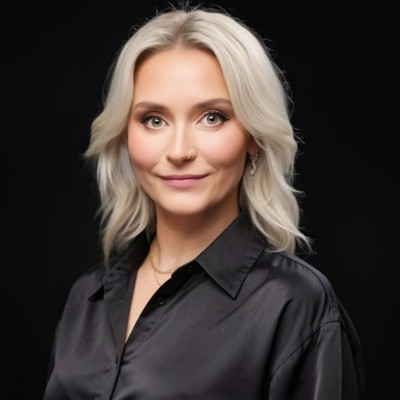 Julianne DeVincenzoHead of Global Content Strategy, Optimizely
Somewhere along the way, content velocity became one of the proudest metrics in B2B marketing, which is an odd thing to brag about when most of that content is speeding straight past its audience. Nearly two-thirds of consumers surveyed in the U.S. believe brands are producing too much AI-generated content in their marketing materials, and 57% say it has made them less trusting of brand messaging overall. AI can push the velocity higher every quarter without making a single post easier to remember. One B2B content team pumped the brakes this year and put most of its annual budget into a scripted comedy series about the dysfunction of marketing.
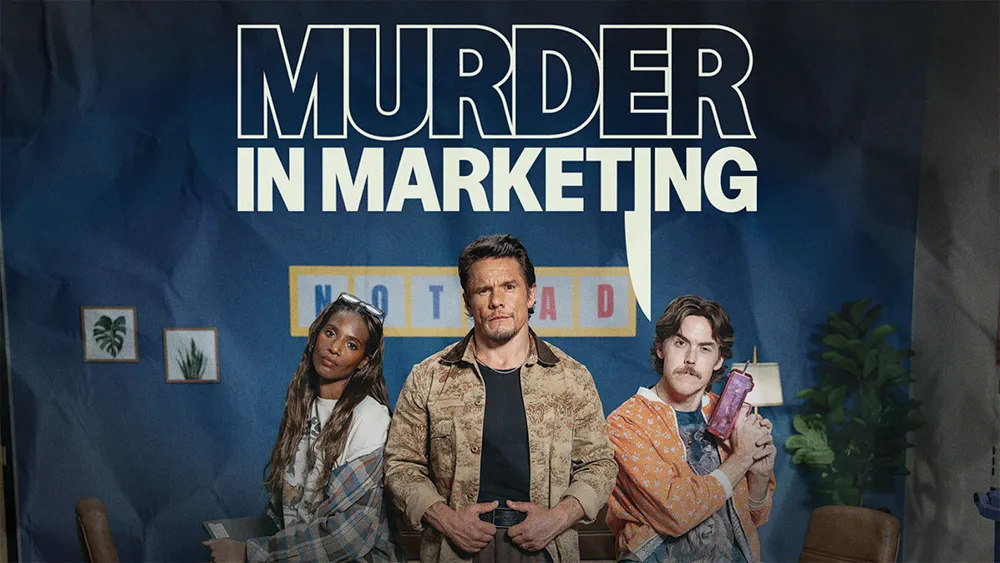
Julianne DeVincenzo is Head of Content Marketing at Optimizely, the marketing software company that now positions itself as the AI platform for marketing. She spent 15 years in sales and led enterprise CMS transformations before joining, and this fall she took Opticon main stages on both sides of the Atlantic. She treats B2B buyers as people with the same feeds and the same short patience as everyone else, and her newest project, a 36-episode scripted microdrama called Murder in Marketing, is built on that belief.
"AI made content easier to produce but harder to remember. Everything looks the same. Nobody's reading things anymore because no one's trusting it, and most brands are answering with more, more, more," DeVincenzo says.
Inside companies, the same habit of answering with volume produces 78-page data decks, and DeVincenzo has watched colleagues present them without knowing what some of the acronyms stand for. Murder in Marketing was produced with Caspian Studios, the team behind the award-winning Murder in HR podcast, and premieres October 30 on its own dedicated handles across the major video platforms.
The marketer is the protagonist
DeVincenzo starts from the premise that a B2B audience doesn’t switch off its taste when it logs into work, and that a marketer’s attention is up for grabs on the same phone that holds the work inbox. “I wake up and I send my sister a meme or an outfit. Even though we’re B2B, we’re still competing with everything else that’s entertaining somebody,” she says.
Competing with memes means the show can’t behave like an ad, so the product stays almost entirely offstage. Across all 36 episodes, characters say “Opti” about five times by DeVincenzo’s count, which leaves the rest of the runtime for the politics and dysfunction marketers already sit through at work. With the product pushed that far into the background, the story has room to carry the brand on its own.
“Entertainment first, or it doesn’t work. The product is not the protagonist. The marketers, the humans, are,” she explains.
Making marketers the protagonists meant writing characters they’d recognize from their own calendar invites. The cast is named after the org chart, with characters called Content, Digital, the CMO, the CFO and the board. Their boss is Hip, a nod to the HiPPO, or highest paid person’s opinion, a nickname DeVincenzo says Optimizely’s own CEO cheerfully claims for himself. Hip is also the character who ends up dead, and every marketer who has received a website rewrite scribbled on a napkin knows exactly why.
Measurement shapes what marketers are willing to make
Approval took just two weeks; production took 10 months and roughly $200,000, a figure DeVincenzo later realized covered most of her annual budget. The challenge wasn’t convincing leadership to take a big bet. It was that the idea seemed to land with a shrug. DeVincenzo could imagine the reaction: Julianne’s up to something crazy again. And it was a little crazy. Optimizely didn’t even have a TikTok account yet, and no one knew how to measure a comedy series. Even the CEO didn’t know it existed until DeVincenzo walked onstage at Opticon in New York and announced that his fictional counterpart gets murdered.
Over this year's conference circuit, she has watched how cautious companies have become about ideas they can’t easily measure. "Budgets are going a little low, and people are too scared to do something that's not measurable," she says. Earlier this month, in London, a customer sought DeVincenzo out at the end of the evening. She had heard her speak in Copenhagen in April, just months into the role, about putting her entire content budget behind an unconventional murder mystery. Now she was thrilled to see it come to life. "That one comment made my entire year," DeVincenzo says. "I walked home with a skip in my step."
DeVincenzo’s scorecard starts on a TikTok account that’s only a few weeks old, where she’s watching engagement and follower counts climb from zero. The longer-term goal is to change how buyers see Optimizely. Six months after the company rebranded and began calling itself the AI platform for marketers, plenty of buyers still think of it as an A/B testing tool. DeVincenzo knows changing that perception won’t show up in pipeline anytime soon, and she isn’t pretending it will.
Budgets built around immediately attributable returns shrink a team’s ambitions before the first script draft exists. Research on B2B advertising offers a broader case for investing in emotion, with one long-term analysis finding that emotional B2B campaigns produced seven times as many very large business effects as campaigns built mainly on rational appeals.
Those long-term effects can take years to surface, and DeVincenzo got her first data point in about 90 seconds, when a London conference room full of B2B tech attendees burst out laughing at four in the afternoon. “You can’t manufacture a community,” she says.
Creative judgment stays in human hands
DeVincenzo used Optimizely’s agentic content operations to organize call transcripts and decks on community and cultural relevance, research social-first vertical best practices, and coordinate paid and social distribution for the series and its feature-length film. She says that focus on culture can feel foreign in B2B.
That support helped her lead a team of seven, keep its content editorial engine running, and make room for the creative work she loves: being on a Hollywood set, traveling to events to talk about the series, and having the headspace to create. DeVincenzo says she feels lucky to have had that opportunity.
“That’s the daily practice on our content team: we use agents and virtual teammates for everything except the writing,” she says. The same commitment shaped Murder in Marketing: AI wasn’t used in the editing, key art or performances. Ian Faison of Caspian Studios wrote the original screenplay and directed the series. DeVincenzo served as executive producer and received an additional writer credit for jokes, notes and ideas that made it into the final cut. The team also hired a composer to create an original score. During the shoot, several actors raised questions about human judgment, deepening a conversation that gave the project’s creative choices even more weight.
DeVincenzo’s measure of success is recognition: marketers seeing their own pressure, politics and impossible expectations on screen. She turned that familiar absurdity into a murder mystery, keeping its emotional truth intact. “If they laugh and feel seen, not sold to, we’ve done our job,” she says.
Paid distribution forced the hardest calls, since anything carrying spend had to come in under 90 seconds. DeVincenzo and Optimizely's director of brand and creative, Dan Reid, whose first job was cutting film for Spike Jonze, spent late nights deciding which improvised scenes survived. AI helped organize the work around those cuts, while DeVincenzo and Reid made the final calls on timing and performance.
With the premiere days away, the format is already drawing platform interest. TikTok rolled out a dedicated ad product for branded microdramas in July, and DeVincenzo says its team has offered to match Optimizely's ad spend up to $70K+. LinkedIn, which has spent 2026 expanding creator video sponsorships, is pursuing the opportunity aggressively and wants to work with Optimizely on original content.
AI can lower the cost of producing more assets, and those savings don't guarantee anyone will remember the brand behind them. That part still rests on the creative choices a team is willing to fund and defend.
"B2B's love language is a static gated PDF, and no wonder nobody calls back," she says.