
Brands only care about why they should spend their money with you and what they're going to get in return.
 Sean McCarneyCo-Founder @ Appeared.in
Advertisers working with tighter budgets this year are getting choosier about who is on the other end of a newsletter send, and the publications benefiting are often the small ones. A list of 5,000 cybersecurity professionals can put a brand in front of most of a buying committee, while a general-interest newsletter twenty times that size delivers a crowd the advertiser has to sort through on its own.
Sean McCarney is Co-Founder of Appeared.in, a sponsor intelligence platform that tracks which brands are actively buying newsletter placements and who inside those companies controls the budget. He co-founded the newsletter reading app Meco in 2020, which over the following years produced a detailed picture of the newsletter industry, covering which topics were growing fastest and which brands were active across each niche. He has also collected close to 100 media kits from newsletters including Morning Brew and The Neuron, recently turning the archive into a searchable gallery. The patterns in those decks offer useful insights into what makes a sponsorship pitch work.
"Brands only care about why they should spend their money with you and what they're going to get in return," says McCarney. The questions brands ask have stayed fairly consistent over the years, covering past performance and whether a publisher can point to case studies from comparable advertisers. Too many kits skip past that and spend their pages describing the publication.
The niche premium
The most valuable lists are often the ones almost nobody outside a single profession can read. McCarney points to a cybersecurity newsletter with somewhere between 5,000 and 10,000 subscribers, every one of them a working security professional. "It's almost unreadable to 99% of the population, but extremely useful for these cybersecurity professionals," he says, describing a publication that brands were circling long before it reached a size any media planner would flag.
McCarney's advice to anyone starting a publication now is to pick a B2B niche narrow enough that a few thousand names still contain the people a whole category of advertisers has spent the year trying to reach. The audience itself is now the inventory. Finance has held up as a dependable category regardless of conditions and AI has become one of the hottest, though what determines the rate is whether the readers hold decision-making authority in their industry. "Big deals can come off the back of that tiny audience," he says.
Selling the audience
A recurring problem in the media kits McCarney has reviewed is that they arrive dense with detail about the newsletter and thin on anything a brand can act on before a call. "The biggest miss of most media decks is that they include lots of information about their newsletter" he says, and a subscriber total on its own tells a marketer nothing about whether the ad will work.
What works in its place is a description of the reader paired with a record of what happened to the last few brands that bought in. A kit built that way reads closer to a qualification checklist written on the advertiser's behalf. "We have 80% US-based decision makers who are earning X amount or more, and we have these three examples where every brand that's worked with us has got massive ROI," says McCarney, sketching the structure a strong kit follows. A marketer reading that can at least begin to assess whether a $5,000 test makes sense without booking a call first.
That mirrors how advertisers are rethinking what returns mean more broadly. The failure McCarney sees most often is a publisher borrowing the shape of someone else's deck without doing the work of explaining the fit. "If you blindly follow a different media kit without saying exactly why your newsletter would be the perfect piece in the puzzle for that brand, it's not really going to convert," he says.
After the first deal
Winning the first sponsorship is only part of the job, and getting the brand to return requires publishers to stay involved after the campaign ends. McCarney recommends reporting results back, asking what the brand was measuring against and forwarding reader replies that mention the product. All of it hands the marketer material they can use internally. "Passing back all of that qualitative data is really nice for the brand to see that this is a great fit, and they can sell more spend internally," he says.
The publishers who do this best keep a rhythm going between campaigns, sending brands a note on what the newsletter plans to cover in coming months and which opportunities are opening up. That keeps them front of mind when budgets get set. "One of the biggest mistakes is thinking that a brand is going to remember you without any communication," says McCarney.
Most newsletters still sell the same two things they always have: a main ad slot inside the newsletter or a dedicated send to the full list. The exception McCarney mentions is Lenny's Newsletter, a product and growth publication with a paid tier. It has assembled offers from roughly 50 brands and folded them into that tier, so a subscription now arrives carrying more than $1,000 in discounts and deals. "The brands want the visibility of all the people reading his newsletter," he says. The arrangement changes what the reader is buying, since a subscription that covers its own cost is a different proposition from paying for content, and McCarney says more publishers are building versions of it.
Who can sell directly
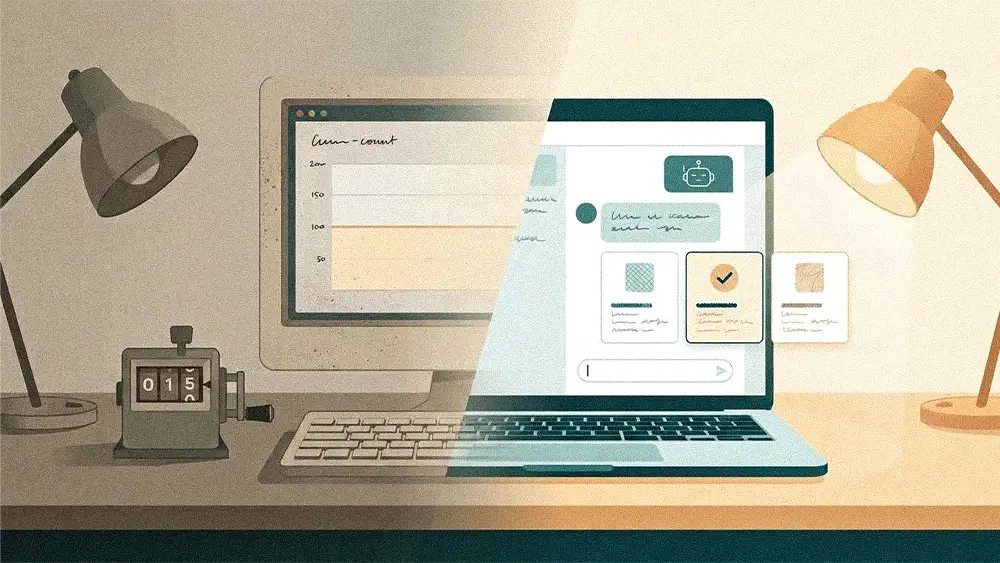
Direct sales starts with knowing which brands to approach. Publishers combed through competitors' newsletters to see who was buying, researched each company, tracked down whoever owned the sponsorship budget and wrote every email by hand. Many small operators start with ad networks on a CPC basis to avoid it, then move to direct sales once the money proves too small to matter. McCarney says operators can now run the whole process inside Claude or ChatGPT, describing their audience and rate card, getting back a list of brands with contact details, then having the same session write the outreach.
"AI is basically making it so much easier to run the entire prospecting process, speak to the right brands and get in front of them fast," says McCarney. McKinsey's work on gen AI in sales describes the same collapse inside enterprise teams, where account research and personalized outreach that used to consume seller hours now runs in the background of a CRM. What differs in newsletters is who benefits, since a two-person publication can now perform work that previously required a headcount.
Automation has not shortened the time it takes to build an audience. McCarney says newsletters still tend to start as passion projects, cross 10,000 or 20,000 subscribers and take network money for a stretch before moving to direct sales. The monetization opportunity depends on first building something people want to keep reading, over years rather than months. "If you're writing about a topic that you don't love, more often than not people are going to get bored and stop doing it, and they're never going to make it to the point where they're going to start making meaningful money," he says.
A small audience can now compete with much larger publications, provided the publisher can demonstrate exactly why that audience matters to a particular advertiser. AI has made finding the right brand far easier, though it cannot tell a publisher who its readers are or make them worth reaching.