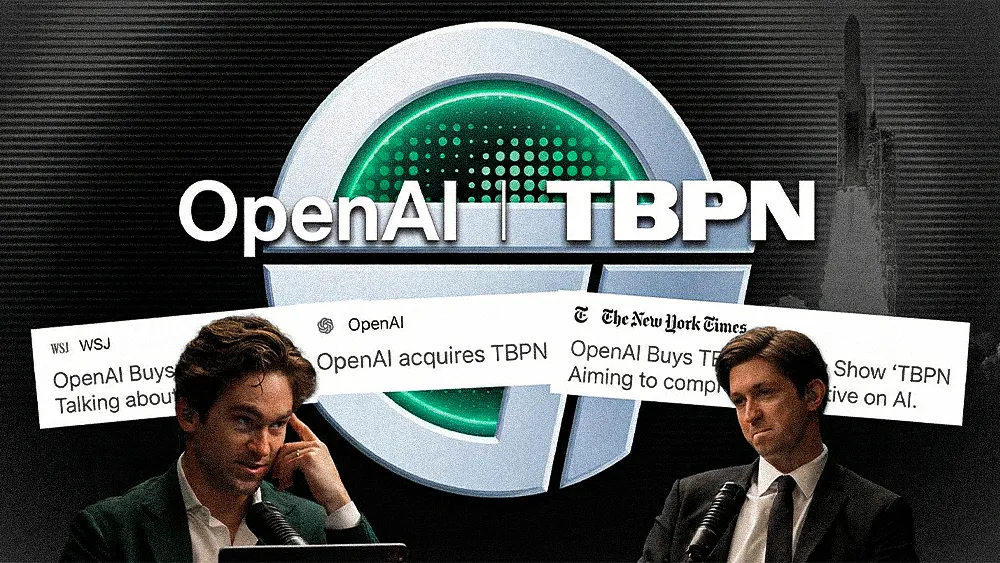
OpenAI just acquired TBPN, one of the fastest-growing live shows in the tech and venture world, hosted by entrepreneurs John Coogan and Jordi Hays. The show now sits inside OpenAI's strategy organization. One of the most well-resourced companies in AI looked at the landscape and decided that what it needed next wasn't another model. It was a trusted audience.
TBPN started streaming in March 2025 and already averages around 70,000 viewers per episode across platforms, with $5 million in ad revenue last year and a trajectory toward $30 million in 2026. It's basically SportsCenter for the tech industry. CEOs like Mark Zuckerberg, Satya Nadella, and Marc Benioff show up to react to the news of the day. OpenAI is betting that owning that kind of audience is worth paying for directly, because building one from scratch takes years, and renting one from platforms is never permanent.
Follow the money: Andreessen Horowitz built a16z Media because a portfolio of 400 startups means little if no one trusts the firm's point of view. HubSpot acquired The Hustle and its 1.5 million subscribers not to get into journalism, but to lower customer acquisition costs by embedding a media company inside a software company. The Morning Brew acquisition, the Axios deals, the wave of B2B and tech companies standing up newsletters, podcasts, and editorial operations over the past five years all point to the same thing. A loyal audience that trusts you compounds in value in a way that paid media doesn't. These are sharp capital allocators making real bets on the same idea: years of consistent presence and earned attention are worth more than any campaign.
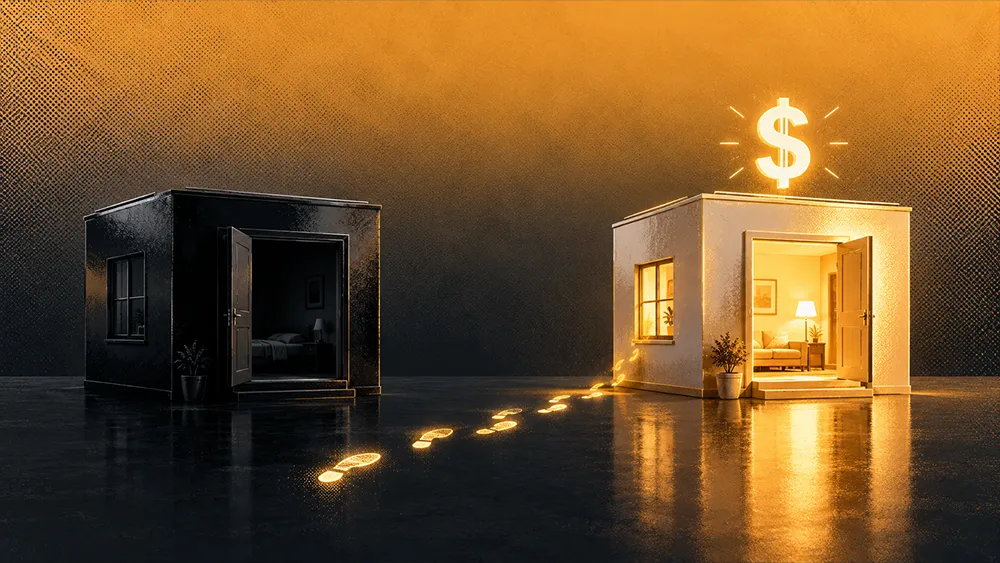
Landlord's market: Most marketing budgets are structured around channels that stop working the moment the spending stops. Every dollar that goes into Google Ads, LinkedIn campaigns, or Meta is buying a seat at someone else's table, and that someone controls the reach, sets the rules, and changes the algorithm without notice. Paid media has a clear role as a tactic. But as a long-term strategy for holding attention, it's a treadmill, requiring constant acceleration just to maintain position.
Owned media operates on a different logic. Every newsletter subscriber, every podcast listener represents equity. Five years of consistent, high-quality publishing doesn't just produce a content library. It produces an audience that trusts a brand's perspective, a search presence that earns traffic long after the initial work is done, and a brand authority that makes every sales conversation and partnership easier. None of that can be replicated overnight, regardless of budget. The moat is the accumulation, not any single piece of content.
Early gets the moat: The companies that understood this five years ago and started building owned audiences while everyone else optimized click-through rates are now genuinely hard to catch. More content leads to more trust, more reach, and more institutional authority, and the lead keeps widening. For every company that starts building now, the math still works. But the longer the wait, the harder the entry.
The audience a brand owns tomorrow is the advantage it cannot buy back later. The question for every marketing leader watching this deal is whether to start building that asset now, or become the company that eventually has to acquire someone else's.