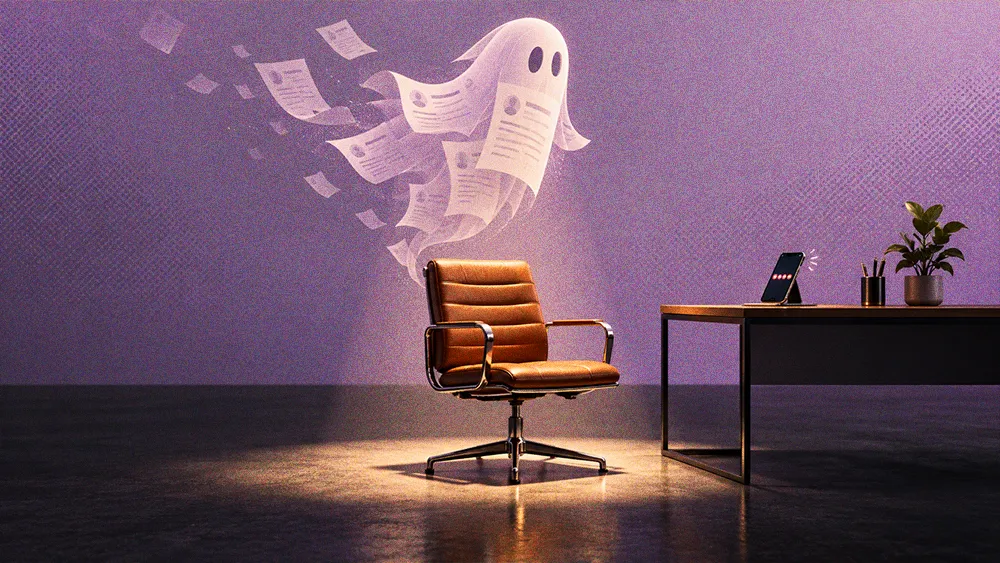
As more of the industry's research runs on simulated buyers, a real customer, interviewed well and written up with care, becomes one of the most valuable things a brand can publish.
A strategy brief on Aveeno's body care team used to take about 30 days to write. It now takes three. Joy Doyin Ogunneye, who leads innovation and brand communication for the Kenvue brand, told Digiday the difference was synthetic research: an AI tool that let her team question simulated consumers instead of waiting on a study.
She isn't an outlier. Digiday reported last week that more media planners, creative strategists and CMOs are making decisions based on how synthetic consumers behave. Goodway Group has struck a deal with data company Arima to plan media against a "synthetic population" of US, British and German consumers, so it can test spend levels without running a live test. Magnum, Vans and Kenvue are working with Vurvey Labs. WPP and Dentsu have been building synthetic audiences into planning for more than a year. Forbes' CMO section covered the same trend days later.
The pitch is speed and cost. The catch is that everyone buying the same tools, trained on largely the same data, is going to hear largely the same answers.
We think most brands are drawing the wrong lesson from this. They're asking how much of their research they can automate. The better question is what becomes valuable once they do. Our answer is the stories of real customers, told well, under the brand's own name.
Synthetic research is good at the average
The tools work better than skeptics expected for some jobs. In one Bain test, digital twins reproduced about 90% of the key outcomes of an original customer study, including which product features drove choice and which products to launch or cut. US Bank uses synthetic audiences to test messaging before campaigns go live. Target uses them to pretest products and promotions.
The people selling these tools are also the clearest about where they stop working. Vurvey's CEO, Chad Reynolds, told Digiday that language models tend to return the most common answer, which is why his company feeds its models video interviews with real consumers. Code & Theory, which has built synthetic personas for years, said the output should inform a team's judgment and never stand in for it.
The academic work published this year is less polite. A run of 2026 studies, summarized here, found synthetic respondents struggle to predict how a specific person thinks, or how one customer segment actually differs from another. For B2B marketers, that's most of the job. A buying committee is a handful of specific people with specific problems, and the deal usually turns on the one objection nobody modeled.
Customers are the content competitors can't copy
At State of Brand, we think the bigger effect of synthetic research will show up in what brands publish, more than in their research budgets.
If competing teams ask similar models similar questions, their positioning, messaging and content will start to converge. We've written about that convergence already. What stands out in a converged market is material no model could produce: a named customer explaining, on the record, what almost made them walk away from a deal.
That material is gaining value on every channel B2B marketers care about. AI search rewards it. In Meltwater's breakdown of what gets cited, which we reported on in August, original research and proprietary data were cited 38% to 65% of the time, while standard blog posts landed between 6% and 15%. An interview with your best customer is proprietary data by definition.
Readers reward it too. Feeds are filling with stories that never happened, like the widowed job seeker at least eight LinkedIn accounts have claimed to have interviewed since July. People are learning to discount anything they can't trace to a real person. A reported conversation, with a name, a title and a company attached, carries its proof on its face.
And a customer story comes with its own distribution. The customer you feature has every reason to share it with peers, and those peers tend to look a lot like your next buyer.
Talking to customers is easy. Telling their stories is the hard part.
Most B2B companies already talk to customers constantly, on sales calls, in quarterly reviews and at user conferences. Very little of it turns into anything a buyer would choose to read.
The gap is editorial. A testimonial asks a customer to say something nice. An interview asks what they were worried about, what they tried first, who inside their company pushed back and what nearly ended the deal. Getting to those answers takes the same skills a reporter uses: preparing properly, asking the follow-up, sitting through an awkward pause and knowing which three minutes of a 40-minute conversation matter.
Then the story has to be told well. A transcript is raw material. A good piece has a point of view, a real tension and a reason for a busy executive to keep reading. It's the model this publication runs on: we talk to the people doing the work and shape those conversations into stories with an argument. More companies are starting to build the same capability for themselves, with small editorial teams inside marketing whose job is to report on their own customers and category.
Our take
Use synthetic research for what it's good at. Pretesting a headline, sizing a pricing question or stress-testing a media plan against a modeled population will save real time, and Aveeno's 30-day-to-three-day brief is a genuine gain.
Then spend the time it saves talking to actual buyers. Put customer interviews on the calendar the way you'd schedule a campaign. Prepare for them like a reporter would. Ask about the fear, the alternatives and the near miss. Publish what you learn with the customer's permission and name, and make the piece good enough that they'll want to share it.
Done consistently, that becomes owned media that compounds: a library of stories in your buyers' own words that AI assistants can cite, sales teams can send and no competitor can generate with the same tools you bought.
Synthetic consumers will tell you what most people would probably say. Your customers can tell you why they actually signed. The brands that learn to tell those stories well will own the most valuable content in their category.
Sources: Digiday, Forbes, Bain & Company, and 2026 academic studies of synthetic respondents as summarized by Skimle. Meltwater citation figures as previously reported by State of Brand.
Disclosure: State of Brand is published by Outlever, which builds owned media programs and brand newsrooms for companies, including interview-based editorial content like the approach described in this article.