The Media Buying Spree Was Never About Media
When billionaires start buying the same asset class at the same time, it's worth asking what they see. The answer isn't content.
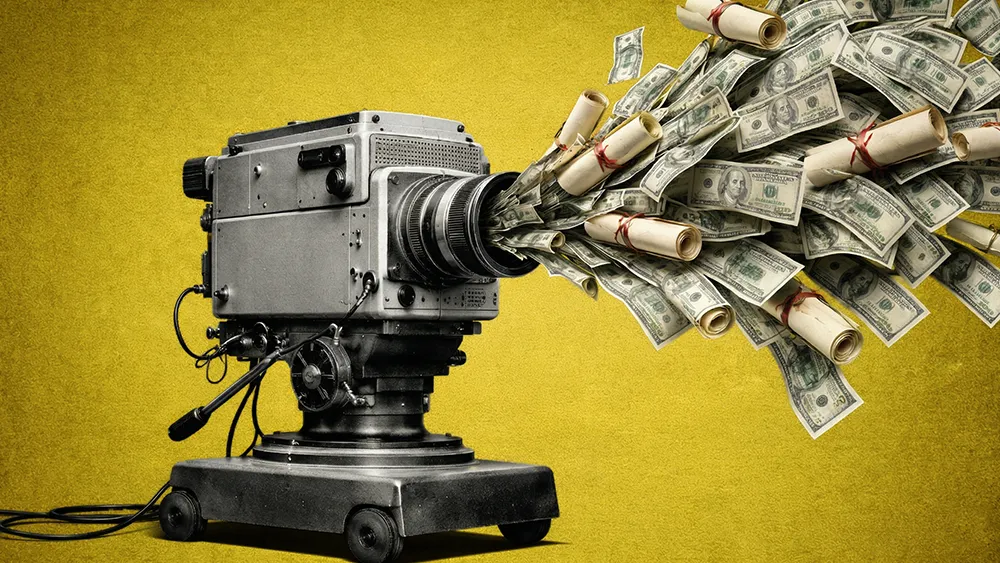
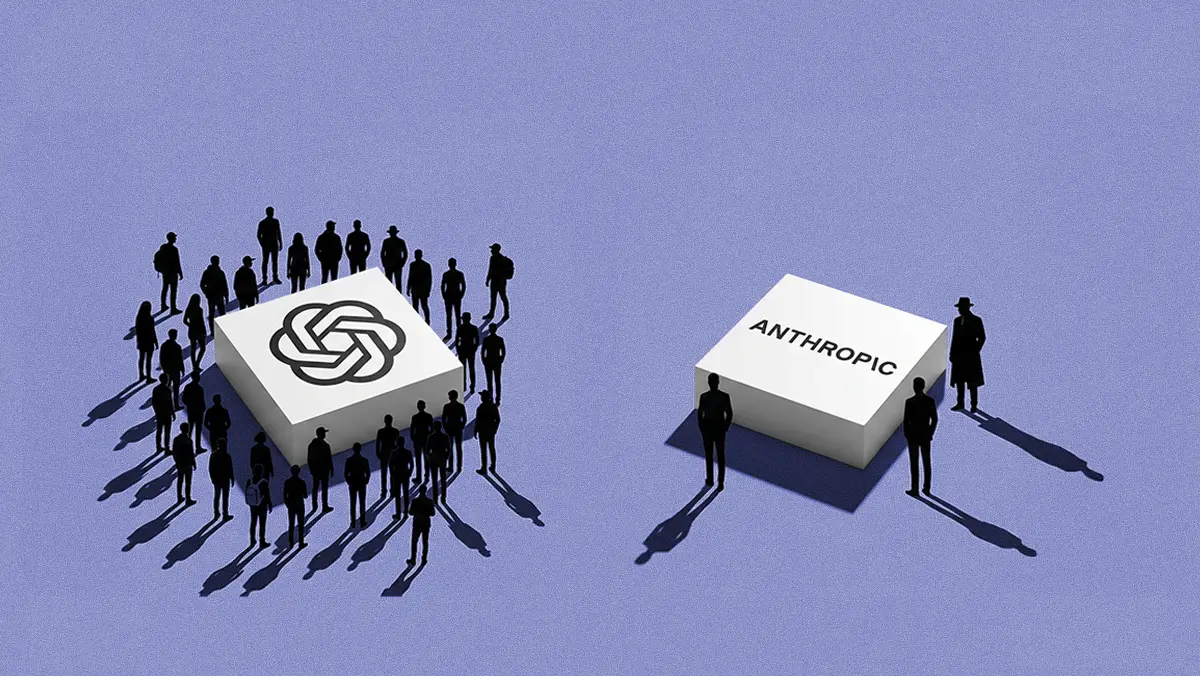
When OpenAI acquired TBPN for a price the Financial Times reported in the "low hundreds of millions," I wrote about what the deal meant for the value of human-led media. The industry responded immediately.
Within 48 hours, the Hollywood Reporter published a piece with a headline that deserves every brand strategist's attention: "The Most Powerful People in the World Are Obsessed With Media Again." Sam Altman bought his favorite show, Larry Ellison is backing his son David's $110.9 billion takeover of Warner Bros. Discovery, and Jamie Dimon told Axios he wants to start a media business, calling media "the great influencer."
Three of the most powerful executives in technology, finance, and enterprise software are making the same bet simultaneously. That's worth paying attention to.
The Common Thread
OpenAI paid for trust it couldn't manufacture. TBPN had 58,000 YouTube subscribers and roughly 70,000 daily viewers. OpenAI, an $852 billion company, could have built its own distribution infrastructure, but it couldn't build a trusted relationship with a specific audience. The deal valued TBPN at a massive multiple of its roughly $5 million in 2025 revenue. Credibility comes with a high premium.
The Ellisons are buying narrative control at scale. The $110.9 billion Warner Bros. Discovery deal would unite CNN and CBS News under one ownership structure, creating one of the largest news and entertainment conglomerates in the world. CNN alone reaches 154 million people monthly across 379 million television households globally. Add CBS, and its influence covers a significant share of how Americans understand business, technology, and the companies the Ellisons control.
Dimon sees media as strategic infrastructure. The JPMorgan CEO told Axios directly that he believes poor media coverage leads to bad policy. He’s chasing a seat at the table where narratives are made.
All three are paying for an audience relationship they couldn't build themselves.
Why This Is Happening Now
The timing matters. These acquisitions are happening against a backdrop of collapsing trust in institutions and a public that's grown skeptical of AI's promises.
"To me, this reads as AI and tech has a larger narrative change problem," tech scholar Sara M. Watson told NPR. An NBC News poll in March found the same sentiment among American voters.
When the technology itself is losing the public, owning a trusted channel becomes the obvious move.
The TBPN audience chose to watch. Two founders with a point of view earned 70,000 daily viewers. That voluntary attention, repeated daily, created an asset OpenAI valued in the hundreds of millions.
The double-edged sword. The value of an owned channel lives entirely in the audience's belief that it's authentic. The moment a channel reads as a company organ or PR vehicle, that trust disappears.
The Uncomfortable Question for Brand Leaders
Most B2B brands don't own their audience; they rent it. They pay Google for clicks and LinkedIn for impressions, and every dollar spent on rented reach builds someone else's media company. Every follower gained on a platform controlled by someone else is a relationship that can be algorithmically suppressed tomorrow.
The billionaires buying media companies understand something that most brand strategies overlook. The most valuable asset in an AI-saturated, trust-depleted market isn't technology or data, but a direct relationship with an audience that shows up voluntarily.
TBPN built that from scratch. They went from zero to a nine-figure exit in roughly 18 months without a massive team, paid acquisition, or a legacy brand. They just showed up every day with expertise and earned attention one episode at a time.
The barrier isn't knowledge. The format matters less than the consistency. Whether it's a newsletter, a podcast, or a video series, the asset is built around humans with expertise and a distinctive voice. The catch is that the asset only works if the audience believes it's authentic. The moment a channel reads as a company organ, the trust that made it valuable disappears.
These media acquisitions reveal where competitive advantage actually lives. It's in audiences earned over time, not reach rented quarter to quarter. The billionaires see it. Will brand leaders?
Build something owned. Do it in a way that deepens belief. That's the whole playbook.