The Brand No Longer Belongs to Marketing. It Belongs to People Who Can Quit.
AI search stopped citing brand copy and started citing trusted people. So B2B brands are handing their credibility to employees and experts who can walk.

Make State of Brand one of your go-to sources on Google

The stat looks like a routine budget note. Forrester expects roughly 75% of enterprise B2B companies to raise their influencer relations budgets in 2026. File it under channel expansion, approve it, move on.
That would be a mistake. The 2026 version of B2B influence has almost nothing to do with the Instagram-sponsorship image the word still carries. What enterprises are funding is a mix of formal employee advocacy programs and paid partnerships with outside subject-matter experts, and they are not doing it for reach. They are doing it to stay visible in a place that has stopped listening to brands at all.
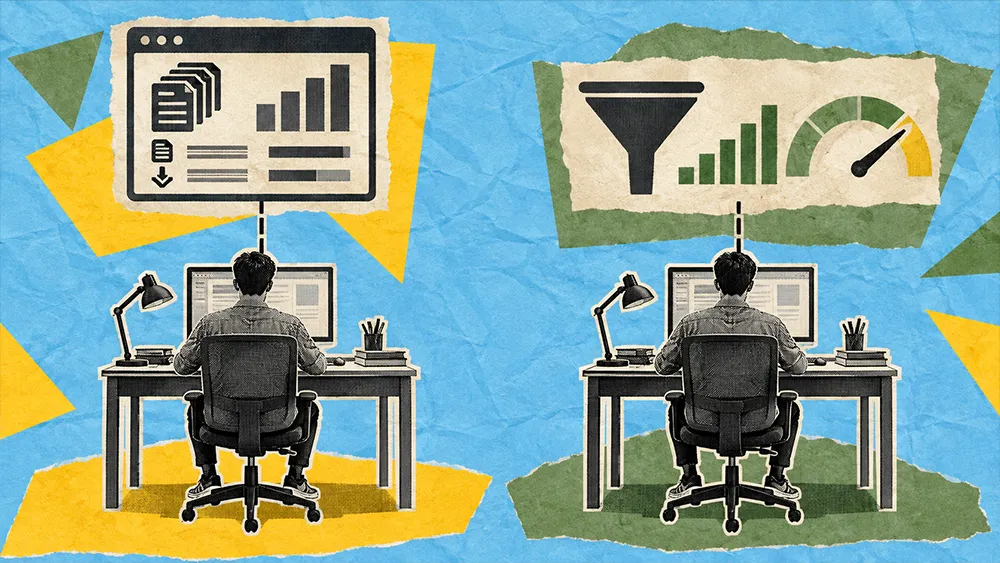
The mechanism is not complicated. A buyer asks an AI assistant which analytics platform suits a mid-market SaaS company. The answer does not pull from your homepage or repeat your hero copy. It draws on what analysts, practitioners, and named experts have written, the voices the model has learned to treat as trustworthy. Your carefully managed messaging is not ranked lower in that exchange. It is not there at all. The buyer never sees it because the model never cited it.
So companies are doing the one thing that works. They are amplifying the people the machines trust, and in the process they are handing those people the microphone.
The center of gravity is leaving the marketing department
For as long as corporate marketing has existed, the brand lived inside one building and answered to one function. The CMO owned the message. The agency polished it. Legal cleared it. Whatever reached the audience had been approved word by word.
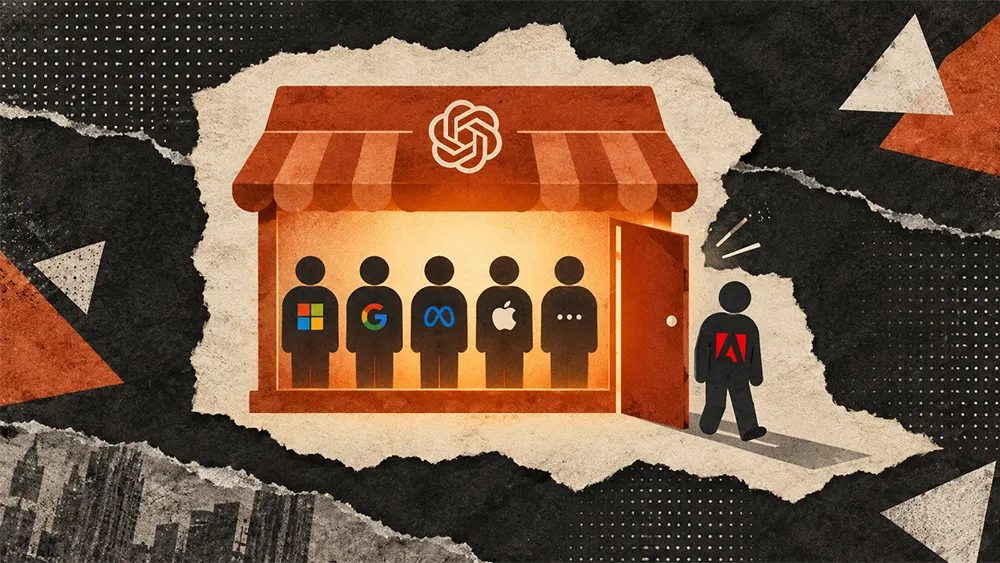
That is coming undone. Trust now attaches to individuals: the engineer who writes the thread everyone forwards, the VP who gives the talk people quote, the analyst who mentions you without being asked. The brand assets that matter most are no longer the ones marketing makes. They are the ones marketing can only hope to borrow. Credibility is moving out of the department built to manage it and onto the payroll, into people who never signed a messaging guideline and cannot be edited in review.
Call it what it is. To stay visible in an AI-mediated market, brands are trading control for credibility. The channel they own is fully controllable and increasingly ignored. The employee voice is trusted and impossible to control. They cannot have both, and the market is making them choose.
The hidden Trade-off
Anyone who has run this play knows the trap, even if it never comes up in the budget meeting. Advocacy works because it is credible, and it is credible because it is not scripted. The moment marketing tries to control it, by handing out pre-written posts, setting a weekly posting quota, or routing every thought through approval, the credibility that made it worth anything drains away. Forced advocacy does not just underperform. It backfires, because people can smell a corporate directive wearing a human face, and the smell costs you the trust you were paying for.
That leaves companies somewhere uncomfortable. The channel they most need to grow is the one they can least control. The people carrying the brand into the rooms where deals get decided can negotiate, get poached, and quit, and when they go they take the audience, the credibility, and a piece of the pipeline with them. Once your most trusted spokesperson does not report to you, brand risk stops being a messaging problem and becomes a retention problem.
What this asks of leaders
The reflex is to systematize, to pull the voice back in-house where it feels safe. That reflex is exactly what kills it. The harder discipline is enablement without ownership: give people a real reason to speak, room to sound like themselves, and enough of the reasoning behind the work that speaking up feels like an extension of their own expertise instead of an assignment. It means treating your most visible employees less like channels and more like talent, because that is what they have become.
It also raises a question most brand strategies were never built to answer. What is a brand, once its most trusted representatives are people who do not answer to it? For a hundred years the answer was everything the company controls. That answer is now too small to be useful. The brands that win in an AI-mediated market will be the ones that accept a harder truth: in 2026, the single most valuable brand asset a company has is a person who does not report to the CMO, and whose loyalty has to be earned rather than assumed.
The microphone has already changed hands. The only question left is whether leadership hands it over on purpose, with a plan, or watches it get taken while still editing the press release.

If this caught your attention, that’s not accidental.

The best editorial systems don’t happen by accident. Outlever builds them.

If this caught your attention, that’s not accidental.

The best editorial systems don’t happen by accident. Outlever builds them.


Come back for the reason it lands.
Subscribe for the kind of thinking that makes people stop, read and come back.