






powered by




ZapConnect 2026 is free, virtual, and built on a bet most companies still haven't made: that adding AI to the way you already work is the wrong move, and starting over is the right one.


Most software conferences follow the same formula. You book a name people recognize, you put them on the main stage, they talk about innovation for forty minutes, everyone claps and posts a photo, and on Monday nobody does anything differently.
Zapier skipped that step this year.
ZapConnect 2026 runs Wednesday, September 23, and the main draw is the Zapier team demoing the actual agents that run Zapier. Live, mistakes included. Not a sizzle reel of a workflow that worked once under controlled conditions, but the real systems, running in front of an audience, with whatever happens happening.
That's an odd thing for a marketing team to approve, and it's most of the reason I'd bother.
This past year, individuals got dramatically faster. If you've been paying attention you've watched people around you, possibly yourself, quietly compress a week of work into an afternoon. Agent tooling got good. The people who leaned in picked up a real, measurable edge.
Companies mostly didn't move with them.
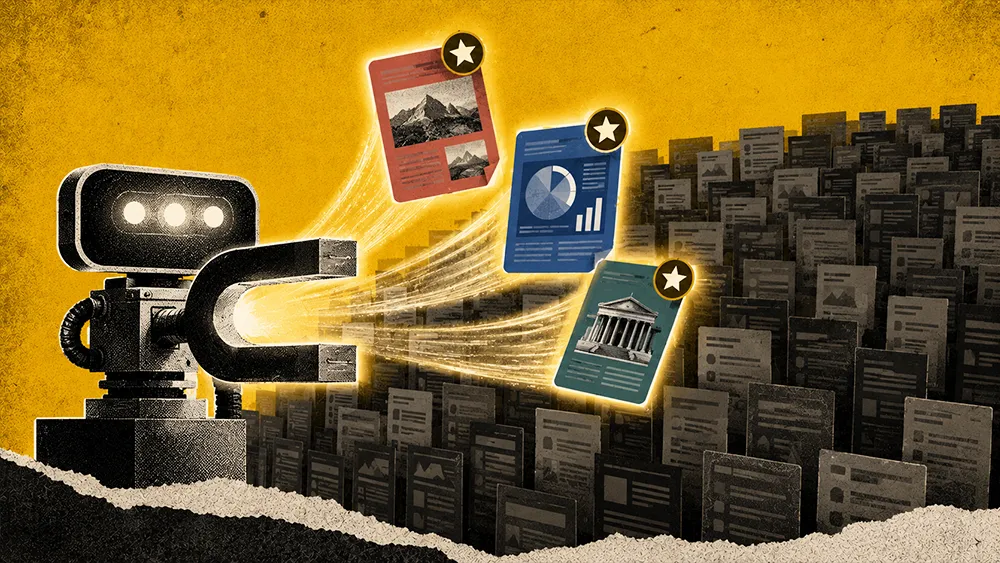
What happened at most organizations was AI as garnish. A copilot bolted onto an existing process. A chatbot on the support page. A pilot program that produced a deck and then a follow-up deck. The underlying way the company works, meaning the org chart, the handoffs, the definition of what a role even is, stayed exactly where it was. So you end up with a strange situation where the most capable person on a team operates at a completely different speed than the team itself, and the company's throughput gets capped by the slowest unchanged process in the building.
Zapier's argument is that you can't close that gap by degrees. You have to go back to the start and ask what the company would look like if you built it today, with agents assumed rather than added on.
Hence the theme: Rethink. Rebuild. Refound.
Refounding is a deliberately aggressive word. It doesn't mean optimize. It means treating your current structure as one option among several instead of as the given, then rebuilding around what agents actually make possible. That's an uncomfortable thing to say out loud when you're a company that already exists and already works. Saying it and then showing your own unpolished internals as proof is a bigger swing than booking a keynote.
Wednesday, September 23, 9am PT / 12pm ET, wrapping around 2:15pm PT. Free and fully virtual, so no travel budget, no approval chain, no barrier of any kind.
The lineup announced so far is Zapier's own team — the people who actually built and run the internal agents, rather than a roster of borrowed names. A guest keynote and a special keynote are still to be revealed. You can check the current agenda and speaker list on the event site.
The format leans toward live building rather than slideware. Workshops, playbooks, and keynotes designed to leave you with something you can implement instead of something you can summarize. If you've ever walked out of a conference with a full notebook and zero changed behavior, that's the failure mode being designed against.
The agenda is public and you should read it yourself rather than take my summary of it. But the shape of it is worth pointing at.
It opens with "Step Inside: How to Refound a Company in the AI Era" — CEO Wade Foster, Chief People & AI Transformation Officer Brandon Sammut, and Director of Product Management Jenica Blechschmidt.
Read that second title again. Chief People & AI Transformation Officer is a seat Zapier had to invent. If you want evidence that refounding is more than conference branding, the org chart is a decent place to look.
From there it's the builders, and the through-line is numbers rather than possibility. A QA team that went from reviewing nine thousand support tickets a year to more than a hundred thousand with an agent. What tracking their own AI costs actually turned up. What it takes to run agents at scale instead of one clever automation.
That middle one is the session I'd watch most closely. Everyone in this market will tell you AI paid off for them. Very few will show you the arithmetic, mostly because the honest version tends to be messier than the case study version. Showing your own spending is the same move as demoing your own unpolished agents, just pointed at the finance side.
Together that covers what the rest of the AI conference circuit keeps skipping. Nearly every other agenda in this space is about what's newly possible. This one is about what it costs and whether it worked.
The useful way to think about the audience is a transition rather than a job title.
A role has emerged at a lot of companies over the last eighteen months: the person who figured out AI for themselves. They aren't necessarily senior. They're the one whose output jumped, who built the internal tool nobody asked for, who keeps getting pulled into other teams' problems because they know how to make the thing work. Call it the super IC.
The trouble with being that person is that it doesn't scale and it doesn't automatically promote. Your personal velocity isn't your org's velocity. The skills that made you fast on your own aren't the skills that make an organization fast, and translating one into the other, going from "I built this" to "we work this way now," is a different job entirely. Most people making that jump are doing it without a map.
That's the jump ZapConnect is aimed at. Less about showing off a clever automation, more about how you get an organization to adopt a new operating model when you don't have the authority to mandate one.
Which is also why I'd point that person at the cost and scale sessions specifically. What stops most super ICs isn't a technical problem, it's a meeting. Someone asks what this costs and why you chose to build it that way, and it turns out "it's obviously better" doesn't survive contact with a finance team. Numbers are how you get authority nobody handed you.
For the brand and marketing crowd specifically, there's a second reason to watch. Set the content aside and look at the positioning. A company choosing to show its own unfinished systems and its own spending instead of renting credibility from a famous name is making a claim about where trust comes from now. That's worth tracking whether or not you care about automation.
It's free. It's virtual. The whole cost of finding out whether the thesis holds up is a calendar block on a Wednesday.
If you've solved AI for yourself and you're now staring at the much harder problem of solving it for everyone around you, this is the one to put on the calendar.
ZapConnect 2026. Wednesday, September 23, 9am PT. Free and virtual. Rethink. Rebuild. Refound. Go register.
Disclosure: This post is part of a paid partnership with Zapier. The framing and opinions are mine.


The best editorial systems don’t happen by accident. Outlever builds them.


The best editorial systems don’t happen by accident. Outlever builds them.

Subscribe for the kind of thinking that makes people stop, read and come back.